Magic Dice
1908
No user ratings available yet
Representation score: 0.2 out of 10
Representation Score
Minimal
1907
Director
Segundo de Chomón
Runtime
3 minutes
Average Rating
No ratings yetNew Showbiz Analysis
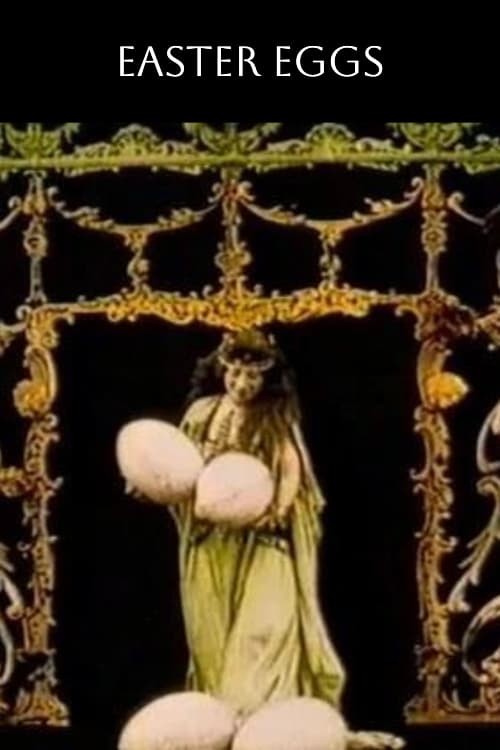
Easter Eggs is a foundational trick film that prioritizes visual spectacle and stop-motion illusion over character-driven social dynamics. Since the narrative centers on the metamorphosis of inanimate objects, it lacks the depth to engage with identity-based storytelling. The film functions as a showcase of cinematic technique rather than a medium for exploring social hierarchies. Consequently, it remains a traditional, spectacle-oriented work that predates modern concepts of characters who reflect more than one aspect of diversity. While the film features a central female figure, she serves the magic of the medium rather than acting as a fully realized agent within a social structure.
Category Breakdown
The film does not depict any LGBTQ+ identities or same-sex relationships. The story focuses solely on magical objects and a single character.
A magical woman appears, but she mainly serves as a tool for cinematic tricks. The film lacks the interpersonal interactions needed to develop complex gender dynamics.
The film features a uniform cast and does not explore racial or ethnic identities. It follows the production standards of early 20th-century Europe.
The story operates within a secular, whimsical framework. It avoids critiquing Western institutions or religious structures, focusing instead on the spectacle of transformation.
The film does not depict any physical, sensory, or neurodivergent identities. The brief runtime focuses strictly on the metamorphosis of household items.
Present on Screen
Limited or Absent
Official Synopsis
A magical woman and her magical eggs.
1908
1906
1908
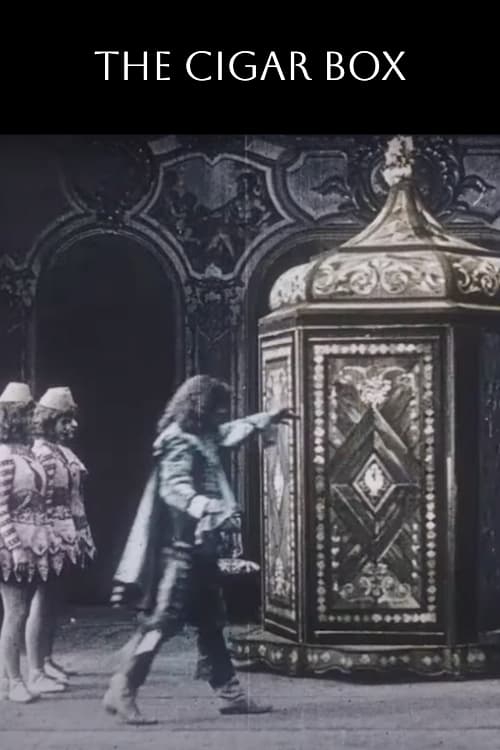
1907
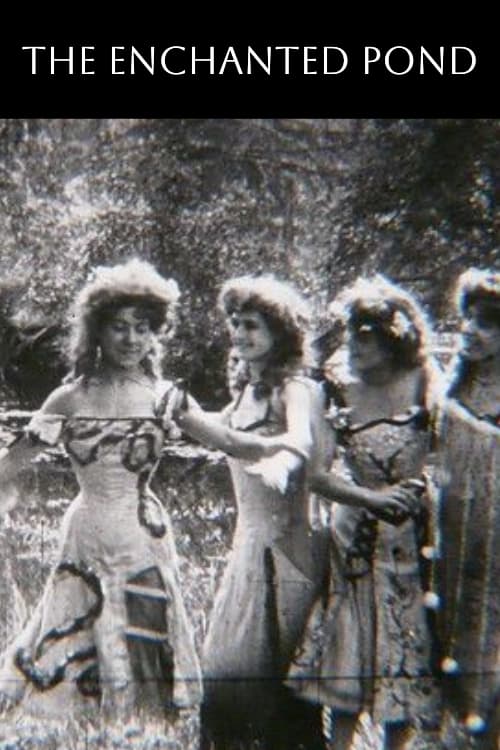
1907
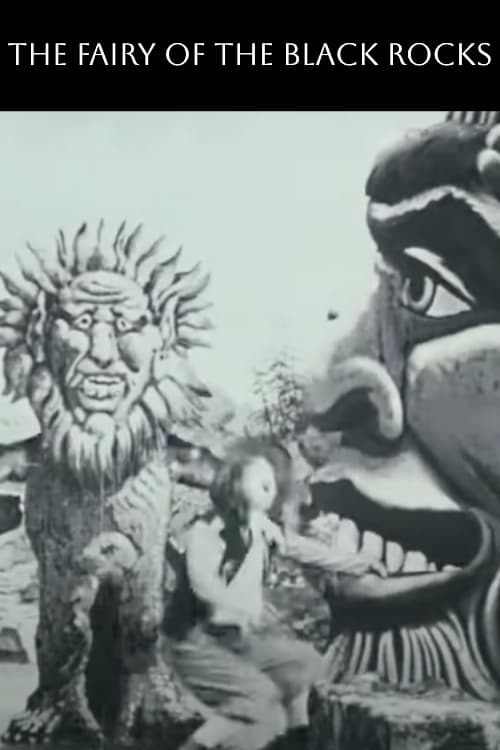
1907
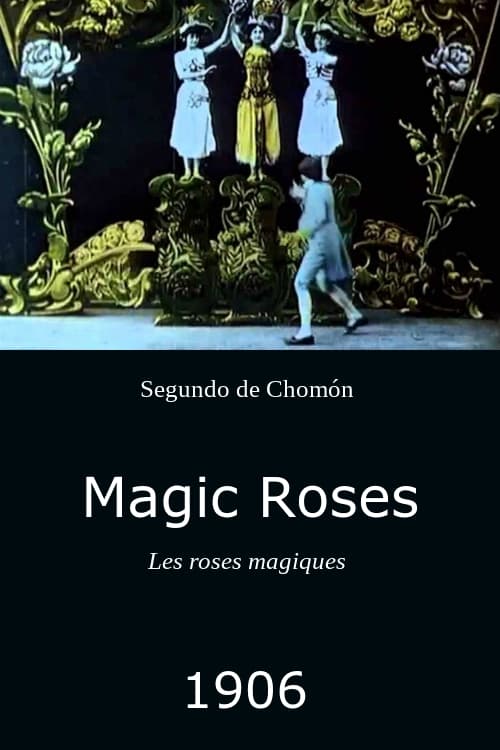
1906
1907
No reviews yet. Be the first to share your thoughts on this movie!
Use the rating form above to leave a star rating and optional review.