
Testament of Orpheus
1960
No user ratings available yet
Representation score: 3.2 out of 10
Representation Score
Fair
1932
Not RatedDirector
Jean Cocteau
Runtime
55 minutes
Average Rating
No ratings yetNew Showbiz Analysis
Jean Cocteau’s surrealist masterpiece emphasizes subconscious imagery over linear storytelling, which naturally challenges conventional social norms. The film's strength lies in its intellectual disruption of traditional storytelling and gender archetypes. However, the work remains socially non-inclusive. It lacks modern standards of racial and identity-based diversity, focusing instead on an internal, symbolic landscape reflecting a European-centric avant-garde tradition. Ultimately, the film explores psychological depth rather than social representation. It challenges the structure of storytelling through mythic figures, even if it offers limited multi-layered variety.
Category Breakdown
The film uses dream-like symbolism rather than realistic social interactions. Though it doesn't show same-sex intimacy, its focus on fluid entities challenges traditional heterosexual relationships.
Female characters like the Muse and the Sphinx play important roles rather than passive ones. This approach challenges traditional gender roles by emphasizing psychological independence over domestic duties.
The film focuses on abstract, surreal settings rather than diverse social groups. It maintains a European-focused look with little representation of different racial backgrounds.
The narrative questions institutional and religious logic by prioritizing personal, poetic truth. This focus critiques rigid Western structures and authoritative beliefs.
An armless statue serves as a central, striking surreal symbol. The figure has a significant role within the dreamscape, avoiding typical disability clichés by integrating the physical difference into the film's deeper meaning.
Present on Screen
Limited or Absent
Official Synopsis
In a poet’s room, an armless statue abruptly comes to life. It invites the poet to step through a mirror and to discover another world. Strange places and characters present themselves to him. The poet tears himself away from these twisted fascinations and returns, with some difficulty, to his room.
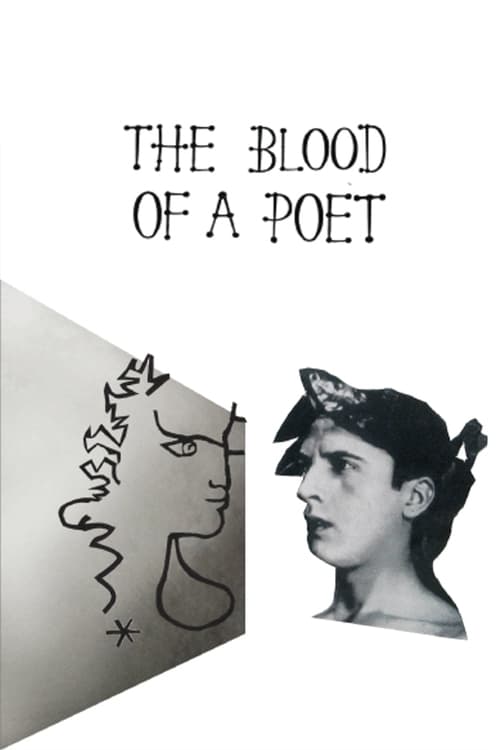
1960
1950
1954
1948
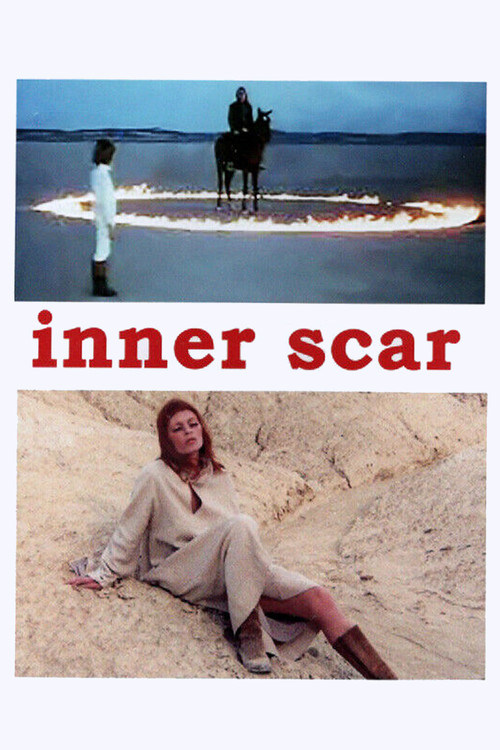
1972
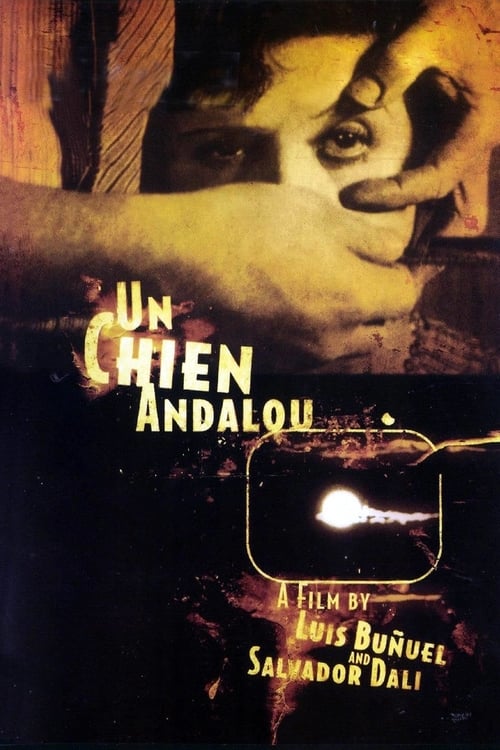
1929
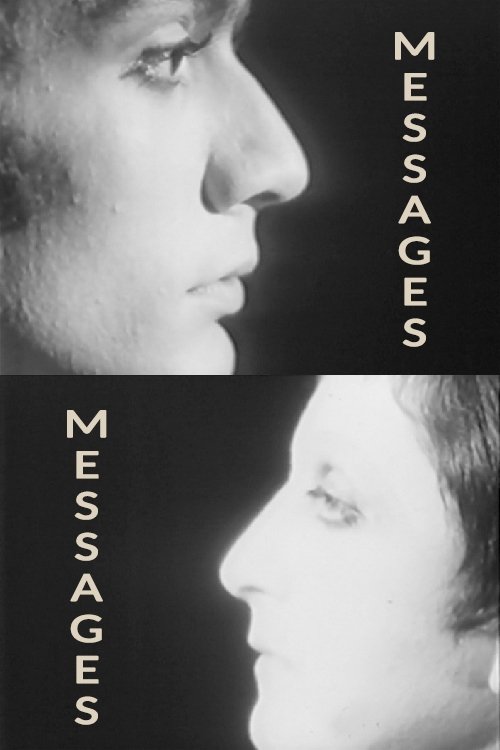
1968
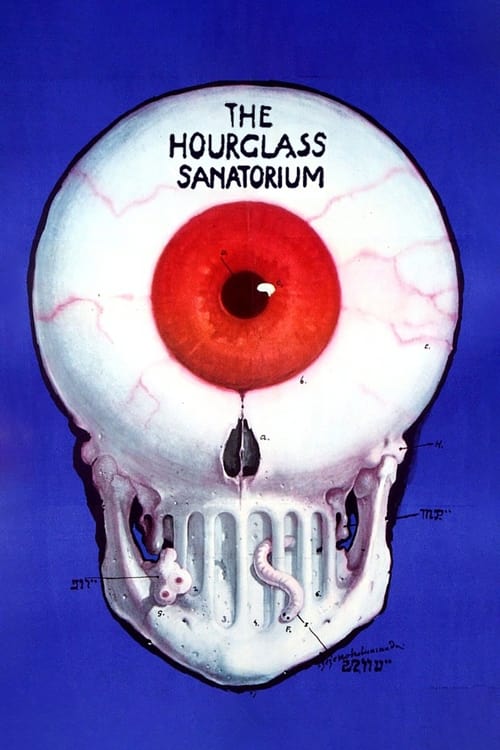
1973
No reviews yet. Be the first to share your thoughts on this movie!
Use the rating form above to leave a star rating and optional review.