
Clara Sola
2021
No user ratings available yet
Representation score: 8.8 out of 10
Representation Score
Excellent
2011
Director
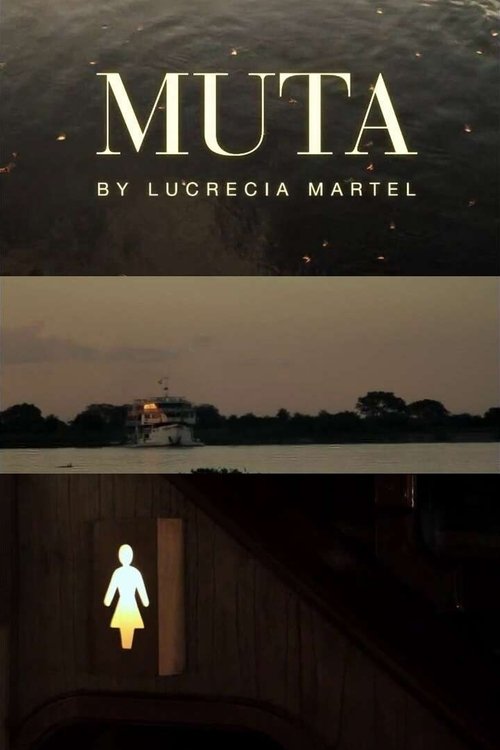
Lucrecia Martel
Runtime
7 minutes
Average Rating
No ratings yetNew Showbiz Analysis
Muta is a sophisticated, sensory-driven film that emphasizes psychological depth over straightforward storytelling. It stands out for its subversion of traditional patriarchal structures, replacing conventional hero archetypes with complex female-led domestic dynamics. Despite its strong critique of social and class hierarchies, the film lacks explicit representation of LGBTQ+ identities and visible racial diversity. Its focus on the provincial Argentine middle classes provides regional authenticity but does not include a non-Anglo-Saxon majority. Overall, the film's strength lies in its narrative structure, which uses atmosphere and sound to delve into invisible psychological states, marking a progressive departure from traditional cinematic models despite its limited character-based diversity.
Category Breakdown
The film does not explicitly feature LGBTQ+ characters or same-sex romantic relationships. However, it includes subtle emotional connections that hint at non-traditional relationships.
The film centers on female characters and their complex interactions within domestic settings. Women play key roles in driving the plot and have rich psychological depth, avoiding typical submissive stereotypes.
The cast reflects the diverse socioeconomic and ethnic makeup of provincial Argentina. While the focus is on middle and upper classes, it avoids whitewashing by portraying authentic regional class dynamics.
The story critiques provincial institutions and the decline of bourgeois stability. It presents a world where moral ambiguity and situational ethics prevail.
The film explores sensory experiences through intricate soundscapes and fragmented perceptions. However, it does not include specific character arcs focused on physical or neurodivergent disabilities.
Present on Screen
Limited or Absent
Official Synopsis
Directed by Argentinean Lucrecia Martel, MUTA, meaning both “mute” and “transformation”, is a beautiful and cryptic portrayal of an all female world of symbolism, hidden meaning and intrigue.
2021
1974
1974

1970

2014

2011
2015
2020
No reviews yet. Be the first to share your thoughts on this movie!
Use the rating form above to leave a star rating and optional review.