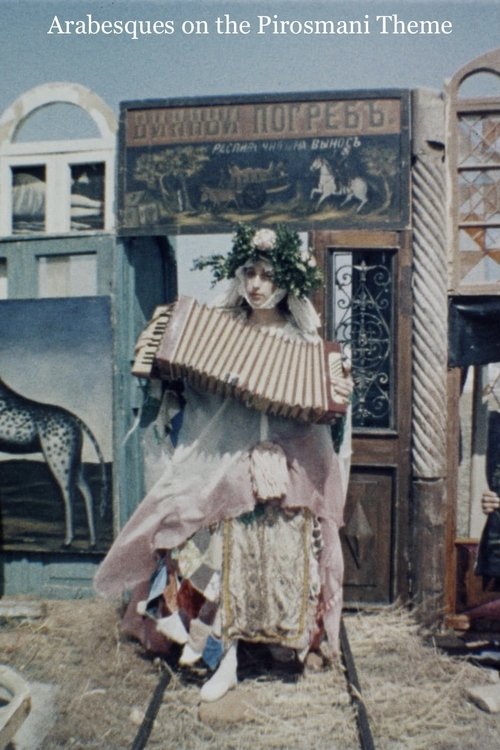
Arabesques on the Pirosmani Theme
1985
No user ratings available yet
Representation score: 6.0 out of 10
Representation Score
Good
1969
Director
Mikhail Vartanov
Runtime
15 minutes
Average Rating
No ratings yetNew Showbiz Analysis
The film is a powerful act of aesthetic decolonization. It succeeds by replacing linear exposition with a sensory exploration of Armenian heritage, effectively challenging the dominance of Western cinematic structures through its focus on non-Western aesthetics. While the documentary lacks character-driven roles to address gender or disability, its impact on ethnic and cultural representation is profound. It elevates Armenian art from a peripheral curiosity to a central subject. The inclusion of Parajanov’s process adds a layer of avant-garde expression that subtly engages with non-traditional, stylized visual languages.
Category Breakdown
The film doesn't have explicit LGBTQ stories but includes behind-the-scenes footage from Sergei Parajanov’s work. This introduces a layer of gender-fluid visual poetry and LGBTQ themes through the lens of art history.
The documentary focuses on landscapes and the works of male painters like Saryan and Minas. It maintains a neutral stance, prioritizing art criticism and visual documentation over character-driven social dynamics.
This work serves as a profound reclamation of Armenian identity. By centering Armenian visual history, it disrupts Eurocentric cinematic canons and treats ethnic identity as a sophisticated, central subject.
The film prioritizes localized spirituality through the depiction of cross-stones and frescos. It values cultural particularity and the spiritual weight of the land over standardized or universalizing institutional narratives.
There is no evidence of characters or portrayals regarding disability within this art-historical survey.
Present on Screen
Limited or Absent
Official Synopsis
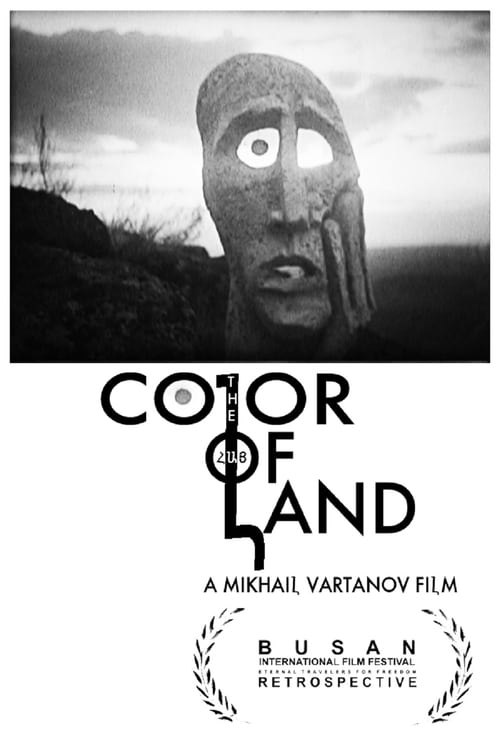
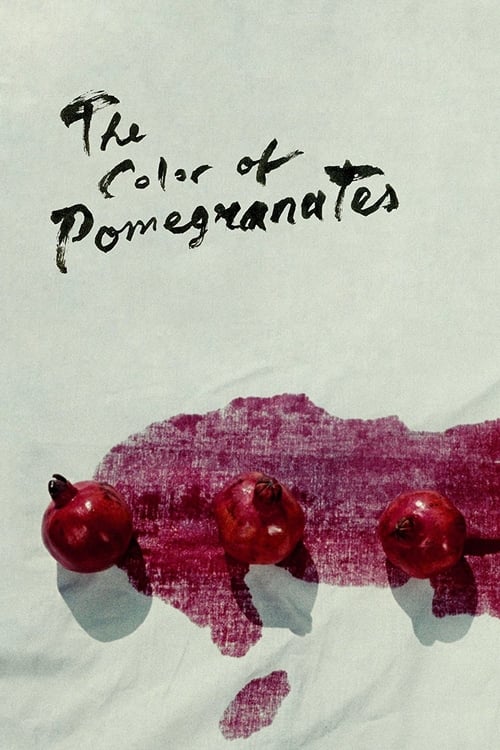
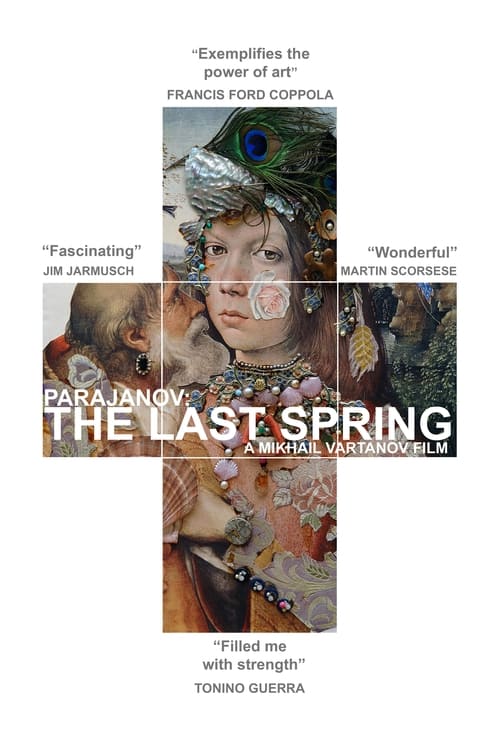
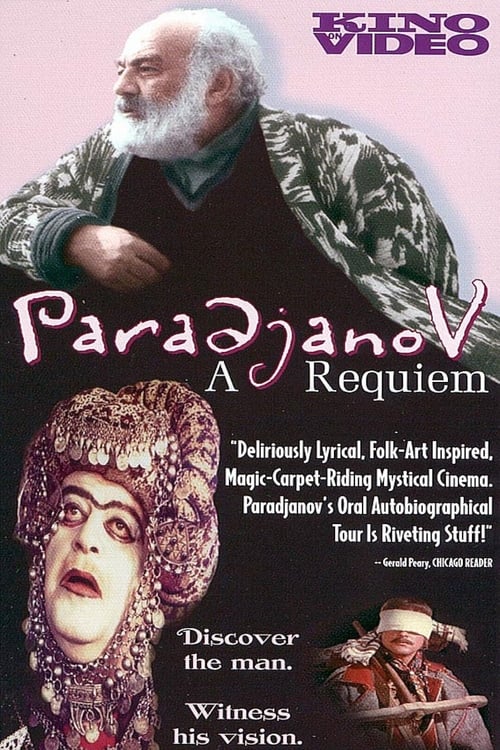
In his wordless debut film, Mikhail Vartanov presents the ancient and modern art of Armenia through the post-impressionist painter Martiros Saryan’s silent commentary of gestures. Biblical landscapes, the ruins of temples, frescos, cross-stones, contemporary sculptures of Tchakmakchian (Chakmakchyan), the first appearance on film of iconic modernist painter Minas and his paintings, as well as the world famous behind-the-scenes episodes of Sergei Parajanov’s landmark "The Color of Pomegranates (Sayat Nova)." The film had its first public screening at one of the world’s largest and prestigious cinematic events, the Busan International Film Festival, 43 years after it was made.
1985
1969
1987
1992
2011
1994
1967
1985
No reviews yet. Be the first to share your thoughts on this movie!
Use the rating form above to leave a star rating and optional review.