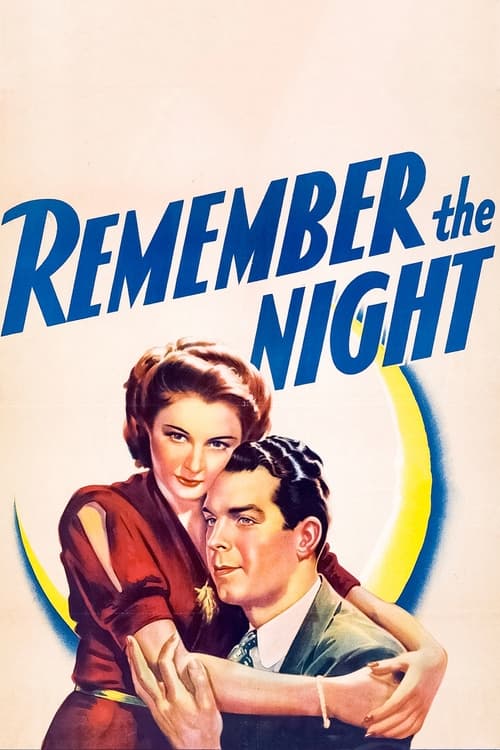
Remember the Night
1940
No user ratings available yet
Diversity score: 2.3 out of 10

1940
NRDirector
Mitchell Leisen
Runtime
110 minutes
Average Rating
No ratings yetSynopsis
A dashing pilot and a vivacious reporter have romantic and dramatic adventures in Europe as World War II begins.
Overall Score
Limited
Category Breakdown
LGBTQ+ Representation
The film follows traditional heteronormative romantic trajectories. There is no evidence of non-cisnormative gender identities or same-sex intimacy.
Gender Representation
The narrative centers on a female protagonist with professional ambition and intellectual agency. She avoids the passive 'damsel' trope, engaging actively with the protagonist's deceptions.
Racial & Ethnic Diversity
The cast is overwhelmingly homogeneous, reflecting the constraints of the 1940s studio system. The international setting focuses on a predominantly white, Eurocentric social circle.
Religious & Cultural Diversity
The story explores moral relativism by framing theft through a romantic, bohemian lens. It lacks explicit anti-Western critiques, functioning as a traditional character-driven drama.
Disability Representation
There are no visible or invisible disabilities portrayed within the primary character arcs. The film does not provide representation for neurodivergent or physically disabled individuals.
Strengths
Areas for Improvement
AI Analysis
Arise, My Love is a product of its era, characterized by a significant lack of racial and LGBTQ+ diversity. The cast remains largely homogeneous, focusing on a Eurocentric social circle without meaningful minority representation. However, the film distinguishes itself through its treatment of gender. By centering a female lead with professional agency and intellectual depth, it subverts many of the passive female tropes common in 1940s cinema. Ultimately, the film's moderate score is driven by this gendered agency and a narrative that embraces moral complexity, even as it fails to address disability or intersectional identities.
1940

1942
1943
1942

1941
No reviews yet. Be the first to share your thoughts on this movie!
Use the rating form above to leave a star rating and optional review.