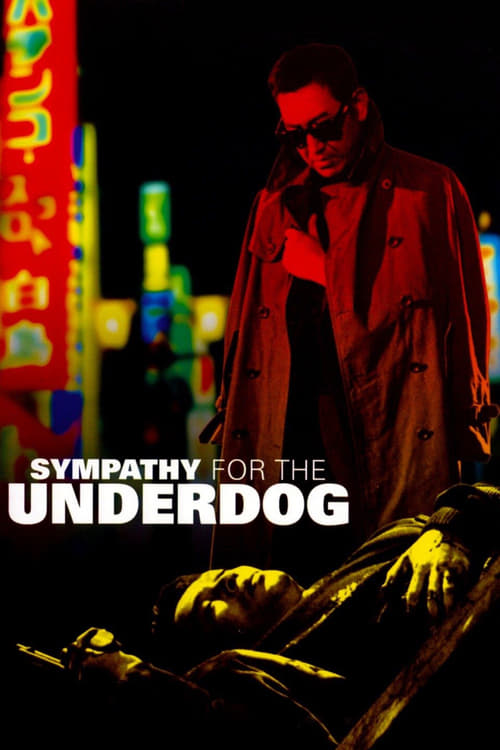
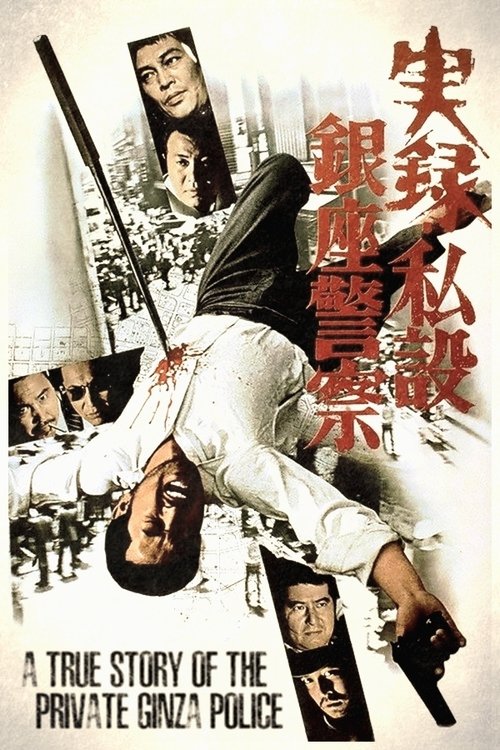
Sympathy for the Underdog
1971
No user ratings available yet
Representation score: 5.4 out of 10
Representation Score
Fair
1973
Director
Junya Satō
Runtime
95 minutes
Average Rating
No ratings yetNew Showbiz Analysis
Junya Satō’s crime drama offers a gritty look at the systemic instability of 1946 Tokyo. The film captures the chaotic atmosphere of the Ginza underworld during the US occupation, focusing on the desperate ambitions of war veterans. While the film provides a window into post-war social breakdown and the failure of formal authority, it lacks depth in representing multiple aspects of identity. The narrative is heavily anchored in traditional masculine archetypes and domestic social struggles. Ultimately, the work functions as a period-specific exploration of power and lawlessness rather than a vehicle for progressive identity representation.
Category Breakdown
The film does not explicitly address queer narratives or non-binary gender identities. It focuses on the violent struggles of war veterans within the criminal underworld.
The narrative centers around male-driven roles and traditional masculine archetypes. There is no evidence of women in leadership positions or the subversion of patriarchal structures.
Set during the US occupation, the film explores tensions between the local Japanese population and Western forces. However, it lacks diverse casting that challenges traditional hierarchies.
The story critiques the failure of post-war institutions through its depiction of a fractured society. It explores moral relativism amidst the breakdown of established social order in Ginza.
A 'deranged soldier' may suggest psychological trauma from the war. However, it is unclear if this character receives nuanced treatment or serves merely as a plot device.
Present on Screen
Limited or Absent
Official Synopsis
Japan, 1946, just after the end of World War II. As the US occupation army patrols the dilapidated streets of Tokyo, a desperate and ambitious group of war veterans and gamblers struggle to take control of the Ginza district's underworld with the help of a deranged soldier.
1971
1973

1976

1964
1975
2018
1975
1976
No reviews yet. Be the first to share your thoughts on this movie!
Use the rating form above to leave a star rating and optional review.