Bram Stoker's Dracula
1992
No user ratings available yet
Representation score: 5.6 out of 10
Representation Score
Limited
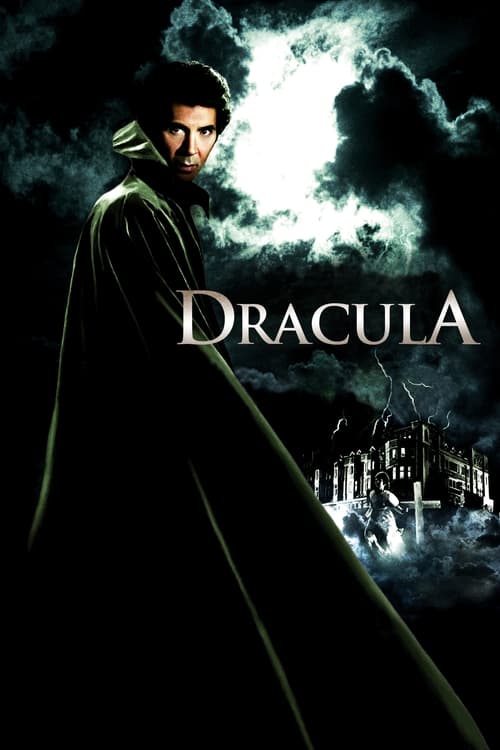
1979
RDirector
John Badham
Runtime
109 minutes
Average Rating
No ratings yetNew Showbiz Analysis
John Badham’s adaptation is a traditional period piece that closely follows Victorian social hierarchies. It relies on established religious and scientific institutions to resolve its central conflicts, prioritizing the preservation of historical norms over contemporary perspectives. The film maintains a conservative narrative structure, using a binary of good versus evil. This approach reinforces traditional Western-centric demographics and straight-centered structures, offering little disruption to the period's social constraints. While the film provides a polished cinematic experience, its reliance on historical norms limits its engagement with diverse identities. It ultimately upholds the legitimacy of established social orders.
Category Breakdown
The film operates within a framework that assumes everyone is straight and cisgender. Dracula’s obsession focuses entirely on female characters, offering no queer subtext or non-cisgender identities.
Mina Seward actively participates in the plot but remains an object of masculine protection. The investigative team consists solely of men, reinforcing patriarchal structures.
Casting is predominantly white and European, reflecting the Victorian era. There are no characters from non-Anglo-Saxon backgrounds in positions of power.
The narrative emphasizes Christian symbols and religious authority as defenses against the undead. It celebrates the triumph of established Western social and religious orders.
Characters with disabilities are portrayed primarily in terms of physical and psychological vulnerability. They are not central figures in the story.
Present on Screen
Limited or Absent
Official Synopsis
In 1913, charming, seductive, and sinister Count Dracula travels to England seeking an immortal bride.
1992
1966
1993

1958

1974
1970
2012
1968
No reviews yet. Be the first to share your thoughts on this movie!
Use the rating form above to leave a star rating and optional review.