
Heads or Tails
1969
No user ratings available yet
Representation score: 2.3 out of 10
Representation Score
Minimal
1965
Director
Giorgio Stegani
Runtime
100 minutes
Average Rating
No ratings yetNew Showbiz Analysis
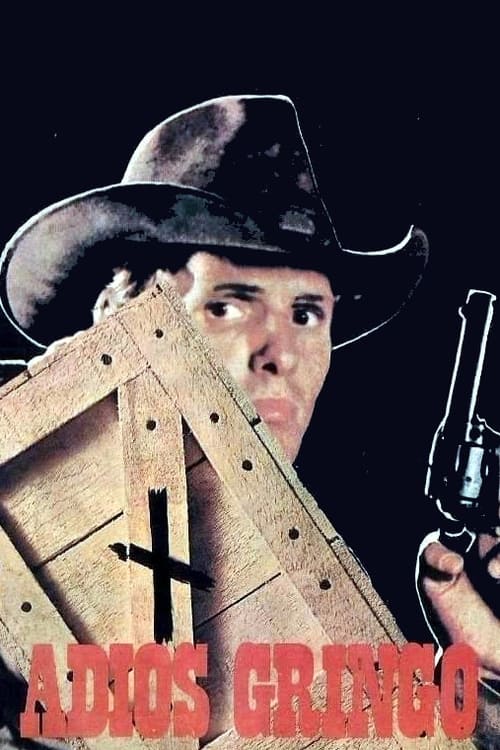
Adiós Gringo is a conventional Western that relies heavily on established genre clichés. The narrative structure concentrates ability to act within a singular male protagonist, leaving female characters in roles defined by vulnerability and trauma. While the New Mexico setting suggests potential for ethnic complexity, the plot remains centered on a standard arc of injustice and retribution. The film does not demonstrate an intentional effort to disrupt social or cultural hierarchies. Ultimately, the work functions as a traditionalist piece of storytelling, prioritizing individual honor and vengeance over diverse or subversive perspectives.
Category Breakdown
The film does not include any characters with non-cisgender identities or same-sex relationships. It adheres to conventional gender roles of the 1960s.
Gender hierarchies are reinforced through a passive female character who experiences kidnapping and torture. She relies entirely on the male protagonist for her rescue.
Set in New Mexico, the narrative centers around a 'Gringo' outsider. There is no evidence of actively leading characters of color.
The story follows traditional Western clichés of individualistic justice and personal vengeance. It lacks themes that challenge frontier morality or secularist norms.
There is no information available regarding the depiction of physical or neurodivergent disabilities within the film.
Present on Screen
Limited or Absent
Official Synopsis
A gunslinger on the run for a murder he didn't commit goes to New Mexico where he hopes to find a person who can exculpate him. While on his way he finds a girl who has been kidnapped and tortured, sets her free and then takes his revenge at gunpoint.
1969
1967

1968
1966

1967
1960
1968
1958
No reviews yet. Be the first to share your thoughts on this movie!
Use the rating form above to leave a star rating and optional review.