
If It Were Love
2020
No user ratings available yet
Representation score: 6.6 out of 10
Representation Score
Fair
2010
Not RatedDirector
Anne Linsel, Rainer Hoffmann
Runtime
92 minutes
Average Rating
No ratings yetNew Showbiz Analysis
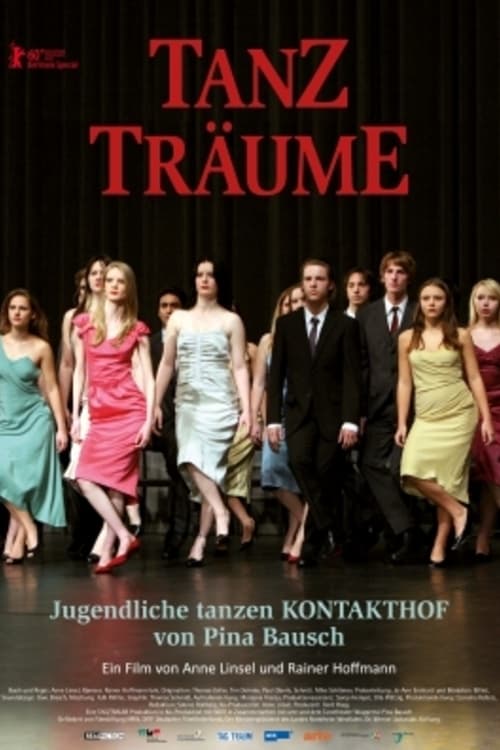
Dancing Dreams successfully dismantles traditional social interactions through the lens of Pina Bausch’s choreography. It goes beyond surface-level performance to explore the raw, emotional vulnerabilities of youth. The film excels in challenging gender stereotypes and focuses on human connections. It portrays dancers as individuals dealing with complex emotions rather than simple archetypes. However, the documentary lacks specific details about racial and disability representation. This leaves the viewer with a sense of emotional depth that is not fully supported by demographic diversity.
Category Breakdown
The film delves into the fluid nature of human connections and emotional openness. Although specific LGBTQ+ identities are not confirmed, the focus on personal relationships challenges rigid social norms.
The story breaks down typical ideas of masculinity and femininity through modern dance. It highlights the emotional complexity and uncertainties of young people as they navigate gendered interactions.
The documentary showcases forty students from eleven different schools in Wuppertal. Despite the urban setting suggesting varied demographics, there is no explicit indication of multi-layered casting.
The film centers on individual truths and personal emotional experiences. It promotes a secular, humanistic perspective by focusing on artistic discovery rather than traditional social or moral frameworks.
There is no information available about the inclusion of performers or characters with visible or invisible disabilities.
Present on Screen
Limited or Absent
Official Synopsis
The dance performance “Kontakthof” bears the unmistakable signature of Pina Bausch: it deals with forms of human contact, encounters between the sexes, and the search for love and tenderness, with all its attendant anxieties, yearnings and doubts. It is a dance about feelings, which always pose a big challenge – particularly for young people. Teenagers from more than eleven schools in Wuppertal went on an emotional journey that lasted almost a year. Every Saturday, forty students aged between fourteen and eighteen years of age took part in rehearsals that were led by Bausch-dancers Jo-Ann Endicott and Bénédicte Billiet and intensely supervised by Pina Bausch herself.
2020
2011
1998

2014

2015

2002
2020
1983
No reviews yet. Be the first to share your thoughts on this movie!
Use the rating form above to leave a star rating and optional review.