Madu
2024
No user ratings available yet
Representation score: 8.7 out of 10
Representation Score
Good
2010
Not RatedDirector
Anne Bass
Runtime
88 minutes
Average Rating
No ratings yetNew Showbiz Analysis
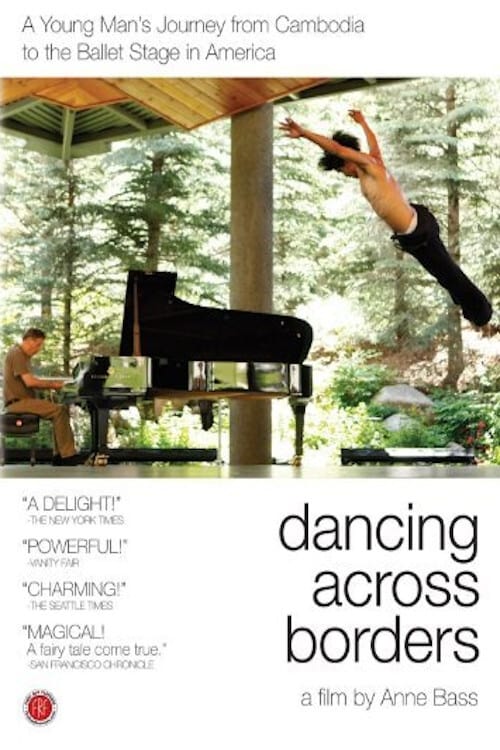
Dancing Across Borders is a compelling study of cultural mobility and individual ability to act. It successfully places a non-Western subject at the heart of a Western prestige narrative, disrupting the typical homogeneity found in classical ballet. The film's strength lies in its ability to bridge the gap between the serene Cambodian countryside and the rigorous halls of the School of American Ballet. This journey highlights the breaking of geographic and socioeconomic barriers. While the film excels in racial and cultural representation, it remains somewhat ambiguous regarding explicit LGBTQ+ identities. However, the subversion of traditional masculinity through dance provides a nuanced layer of gender exploration.
Category Breakdown
The film explores gender expression through a male dancer in a highly stylized world. Though it doesn't have explicit LGBTQ themes or romantic subplots, the protagonist's role challenges traditional masculine archetypes.
By centering a male protagonist known for grace and charm, the film subverts conventional male clichés. It emphasizes emotional intelligence and aesthetic expression over traditional leadership models.
The documentary provides exceptional representation by following a Southeast Asian protagonist into elite Western ballet institutions. This trajectory highlights the ability to act of a person of color within a Eurocentric art form.
The narrative examines the transition from rural Cambodia to the structured environments of New York and Seattle. It explores the synthesis between Southeast Asian roots and Western cultural hierarchies.
There is no evidence regarding the depiction of physical or neurodivergent disabilities in this work.
Present on Screen
Limited or Absent
Official Synopsis
On a trip to Angkor Wat in Siem Reap, Cambodia in January 2000, filmmaker Anne Bass came across a sixteen-year-old boy who moved her immensely with his amazing natural charm and grace as a dancer. A longtime devotee of the world of dance, Bass felt compelled to give this young boy the opportunity to leave his home and follow a dream that he could not yet have fully imagined. From the serene countryside of Southeast Asia to the halls of New York’s School of American Ballet to the stage of the Pacific Northwest Ballet in Seattle, DANCING ACROSS BORDERS peeks behind the scenes into the world of dance and chronicles the intimate and triumphant story of a boy who was discovered, and who only much later discovered all that he had in himself.
2024

2010
2012

2016
2011
2011
2016
1983
No reviews yet. Be the first to share your thoughts on this movie!
Use the rating form above to leave a star rating and optional review.