Dancing Dreams
2010
No user ratings available yet
Representation score: 5.9 out of 10
Representation Score
Good
2015
Not RatedDirector
Germán Kral
Runtime
85 minutes
Average Rating
No ratings yetNew Showbiz Analysis
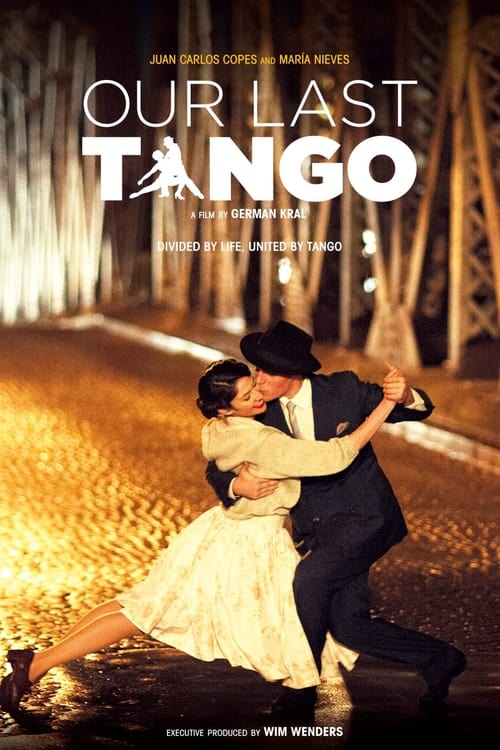
Our Last Tango is a character-driven documentary that moves beyond superficial inclusion. It provides a nuanced exploration of human connection and the intersection of personal identity with cultural tradition. The film's strength lies in its ability to offer a non-idealized look at long-term romantic and professional relationships. By focusing on the real-world dynamics of its subjects, it presents a more authentic view of both romance and dance. While the film is rich in cultural context and avoids a Western-centric perspective, it primarily focuses on a heterosexual narrative. It lacks representation for disability and broader LGBTQ+ identities, keeping the scope localized to its central subjects.
Category Breakdown
The film centers on a heterosexual relationship between María Nieves Rego and Juan Carlos Copes. However, it provides a nuanced exploration of long-term intimacy and the challenges in deep emotional connections.
María Nieves Rego plays a significant role in driving the story and holds intellectual authority rather than being a passive figure. The film highlights the vulnerability and emotional labor of both dancers, breaking down traditional hierarchies.
The film is deeply rooted in the cultural identity of Buenos Aires, celebrating the heritage of Argentina. It avoids an outsider perspective by focusing on local masters and young dancers from the region.
The documentary delves into complex human realities rather than idealized moral stories. It offers a nuanced look at cultural continuity through the transmission of tango traditions from elders to the youth.
There is no explicit evidence regarding the portrayal of physical or neurodivergent disabilities in the film.
Present on Screen
Limited or Absent
Official Synopsis
María Nieves Rego (80) and Juan Carlos Copes (83) met when they were 14 and 17, and they danced together for nearly fifty years. In all those years they loved and hated each other and went through several painful separations. Now, at the end of their lives, the two dancers are willing to open up about their love, their hatred, and their passion. In "Our Last Tango" Juan and María tell their story to a group of young tango dancers and choreographers from Buenos Aires, who transform the most beautiful, moving and dramatic moments of the lives into incredible tango-choreographies. These beautifully-shot performances compliment the soul-searching interviews and documentary moments of the film to make this an unforgettable journey into the heart of the tango.
2010
2014
2020
2008
2011
2011
2016
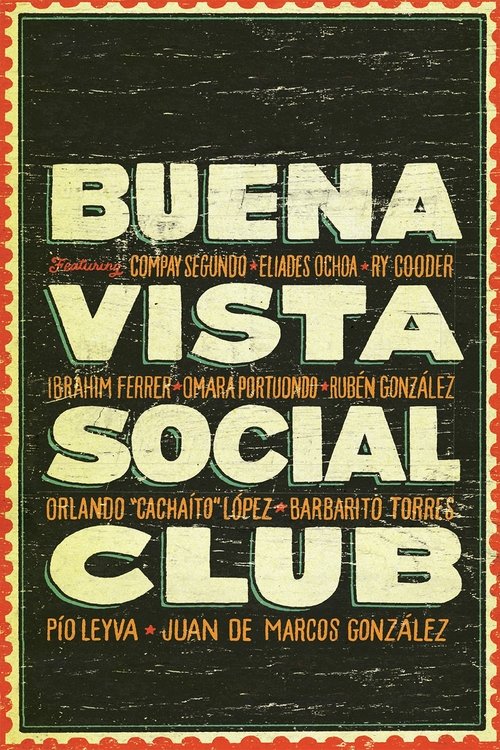
1999
No reviews yet. Be the first to share your thoughts on this movie!
Use the rating form above to leave a star rating and optional review.