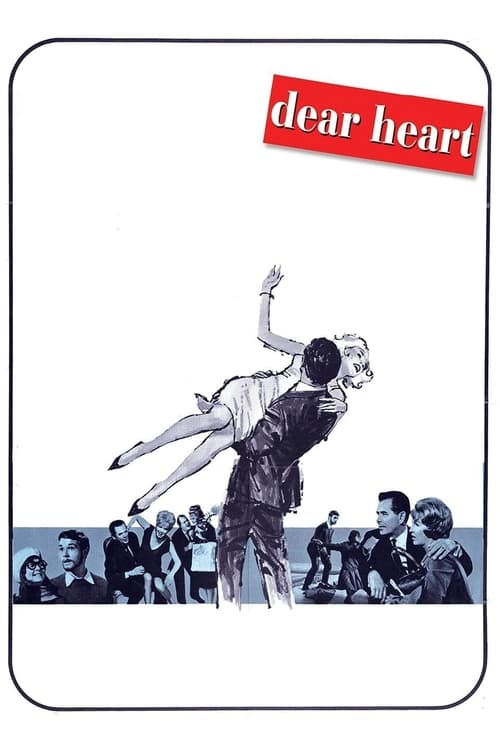
Dear Heart
1965
No user ratings available yet
Representation score: 1.8 out of 10

Representation Score
Limited
1966
TV-MADirector
Francis Ford Coppola
Runtime
97 minutes
Average Rating
No ratings yetNew Showbiz Analysis
This film marks a shift from the sanitized storytelling of the traditional studio system towards a more subjective and morally relative portrayal of the human experience. While it lacks complexity in addressing multiple aspects of identity, it hints at deconstructing traditional narratives through a character-driven lens, reflecting the social norms of 1966.
Category Breakdown
The film adheres to a traditional focus on straight relationships and does not explore LGBTQ+ identities or critiques of societal norms related to sexuality.
Female characters are shown taking active roles in the story, such as the manipulative go-go dancer. However, the narrative centers around a male protagonist's journey towards maturity and emotional growth.
The cast is mainly composed of white actors from middle-class backgrounds, reflecting the social structure of 1960s San Francisco. The film does not use diverse casting to challenge the status quo.
The story presents a naturalistic view of youth that contrasts with earlier, highly moralistic portrayals. It functions primarily as a character study without critiquing institutions.
There is no significant evidence regarding the inclusion of characters with visible or invisible disabilities in this production.
Present on Screen
Limited or Absent
Official Synopsis
Naive library clerk Bernard Chanticleer moves out of his parents’ home and into a chaotic city full of eccentric landlords, meddling parents, and romantic missteps. Infatuated with a glamorous but manipulative go-go dancer, he learns through heartbreak—and the kindness of a steadfast admirer—what growing up really means.
1965

1952
1963

1966
1968

1963

1963

1972
No reviews yet. Be the first to share your thoughts on this movie!
Use the rating form above to leave a star rating and optional review.