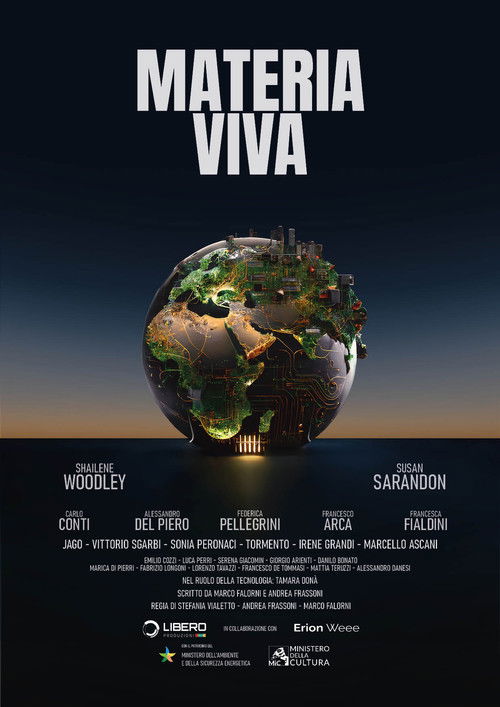
Materia Viva
2024
No user ratings available yet
Diversity score: 5.1 out of 10

2014
Director
Scott Leberecht
Runtime
30 minutes
Average Rating
No ratings yetSynopsis
“Life After Pi” is a short documentary about Rhythm & Hues Studios, the L.A. based Visual Effects company that won an Academy Award for its groundbreaking work on “Life of Pi”– just two weeks after declaring bankruptcy. The film explores rapidly changing forces impacting the global VFX community, and the Film Industry as a whole. This is only the first chapter of an upcoming feature-length documentary “Hollywood Ending,” that delves into the larger, complex challenges facing the US Film Industry and the many professionals working within it, whose fates and livelihood are intertwined.
Overall Score
Fair
Category Breakdown
LGBTQ+ Representation
The documentary focuses on the economic realities of the VFX industry. There is no evidence of LGBTQ+ characters or narratives addressing heteronormativity.
Gender Representation
The film examines challenges facing the entire US film industry. However, it lacks specific evidence regarding gendered power dynamics or the subversion of hierarchies.
Racial & Ethnic Diversity
The narrative scope likely encompasses a diverse, international workforce due to the globalized nature of VFX. Specific evidence of racial agency is not present.
Religious & Cultural Diversity
The film critiques traditional Western economic institutions and capitalist structures. It frames these institutions as volatile and potentially detrimental to individual workers.
Disability Representation
There is no mention of neurodivergence, physical disability, or mental health narratives within the film's context.
Strengths
Areas for Improvement
AI Analysis
Life After Pi functions as a socio-economic critique rather than an identity-driven character study. It prioritizes the intersection of corporate bankruptcy and the precarious livelihoods of creative professionals. The film's strength lies in its deconstruction of institutional stability. It examines how globalized economic shifts impact the human element of the creative arts. Because the subject matter is specialized industry economics, it lacks explicit intersectional representation or diverse character arcs found in narrative cinema.
2024

2020
1994

2011

1961
1975
1965

1964

2017

2021

2015

2017
No reviews yet. Be the first to share your thoughts on this movie!
Use the rating form above to leave a star rating and optional review.