The Mexican Suitcase
2011
No user ratings available yet
Representation score: 6.4 out of 10
Representation Score
Limited
2017
Director
Bill Morrison
Runtime
120 minutes
Average Rating
No ratings yetNew Showbiz Analysis
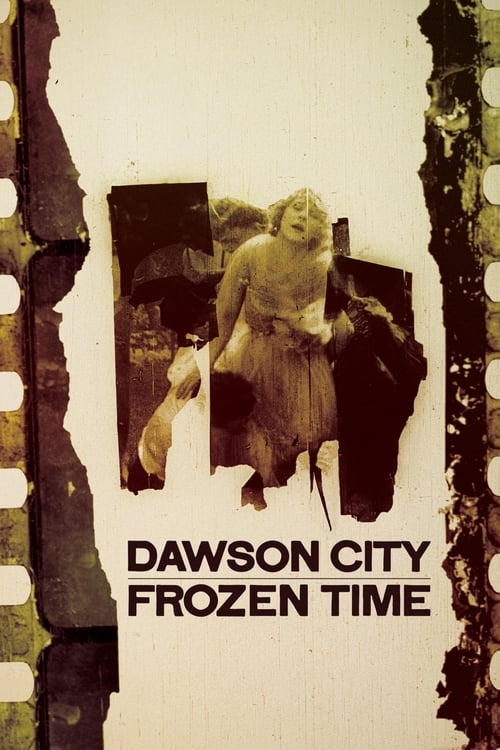
Bill Morrison’s documentary serves as a visual essay on memory and decay, using found footage from a sub-arctic swimming pool. Since the material is purely historical, it lacks modern identity politics or explicit progressive narratives. While the film does not feature character-driven stories, its structure challenges polished, official histories of the West. By presenting a fragmented, postmodern view of the past, it replaces traditional myth-making with a more complex perspective. The diversity in the film is a result of the historical era’s multi-ethnic reality rather than modern casting choices. It captures a mix of settlers and Indigenous people, offering a richer view of the frontier compared to a homogeneous Western narrative.
Category Breakdown
The film showcases archival footage from the early 1900s and does not include any explicit representations of LGBTQ+ identities or non-straight relationships.
The archival footage depicts traditional gender roles of the time, showing women in supportive roles within the social structures of the era rather than as leaders or subversive figures.
The documentary highlights the diverse ethnic makeup of the Klondike era, featuring Indigenous peoples and various immigrant groups, including Chinese and European settlers.
The film challenges the traditional heroic myths of Western expansion by focusing on the decay and impermanence of the era. It presents the Klondike period as a series of fleeting moments rather than a grand saga.
The film does not focus on disability, neurodivergence, or chronic illness. Instead, it emphasizes the social and environmental context of the Yukon during the Klondike era.
Present on Screen
Limited or Absent
Official Synopsis
The true history of a collection of some 500 films dating from 1910s to 1920s, which were lost for over 50 years until being discovered buried in a sub-arctic swimming pool deep in the Yukon Territory, in Dawson City, located about 350 miles south of the Arctic Circle.
2011
2010
2023
2018
2018

2014

2024
2010
No reviews yet. Be the first to share your thoughts on this movie!
Use the rating form above to leave a star rating and optional review.