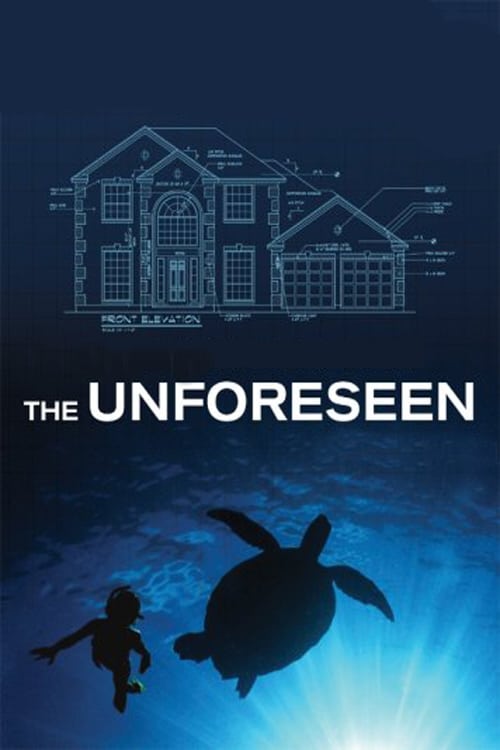
The Unforeseen
2007
No user ratings available yet
Diversity score: 5.3 out of 10

2017
Director
Janet Tobias
Runtime
97 minutes
Average Rating
No ratings yetSynopsis
A documentary focused on infectious disease outbreaks.
Overall Score
Fair
Category Breakdown
LGBTQ+ Representation
The documentary focuses on the clinical mechanics of infectious disease outbreaks. There are no scripted LGBTQ+ characters or narratives exploring non-heteronormative identities.
Gender Representation
Female scientists and researchers are included as active drivers of the narrative rather than passive observers. This provides a balanced depiction of intellectual authority within the scientific field.
Racial & Ethnic Diversity
The film adopts a transnational perspective necessitated by the global nature of disease. It features a diverse array of experts and affected populations across various continents.
Religious & Cultural Diversity
The film prioritizes a systemic view of global health and international cooperation. It challenges traditional borders by focusing on biological threats that transcend national sovereignty.
Disability Representation
While infectious diseases impact physical health, the film does not use disability as a central narrative device or character trait for representation.
Strengths
Areas for Improvement
AI Analysis
Unseen Enemy operates as a scientific inquiry rather than a character-driven drama. Its narrative is dictated by epidemiological reality and global health data rather than traditional tropes. The film's strength lies in its globalized perspective. By framing human vulnerability through a transnational lens, it disrupts localized storytelling and provides an intersectional view of biological threats. Representation is driven by the necessity of the subject matter. The inclusion of diverse professionals reflects a professional approach to documenting global crises.
2007

2016

2021
2022
2006

2013

2018

2008

2016

2013

2014
2017
No reviews yet. Be the first to share your thoughts on this movie!
Use the rating form above to leave a star rating and optional review.