
A Ripple in the Pond
1952
No user ratings available yet
Diversity score: 3.0 out of 10
1972
Director
Alekos Sakellarios
Runtime
83 minutes
Average Rating
No ratings yetSynopsis
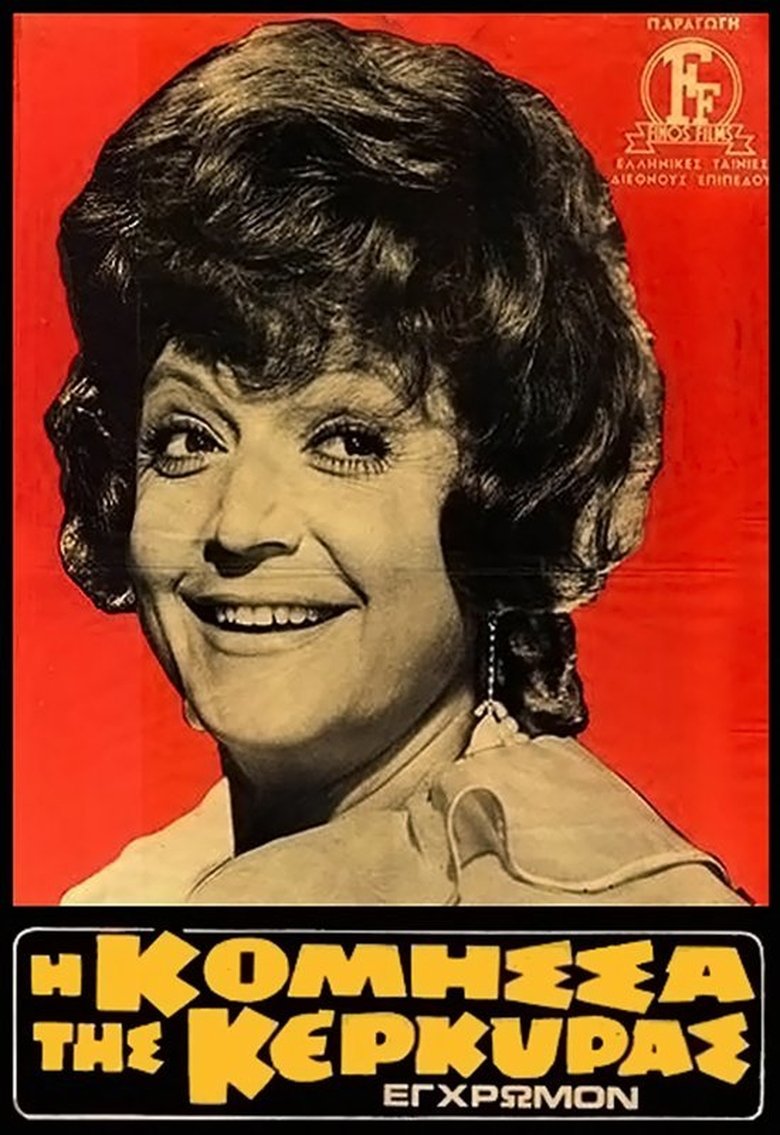
A businnesman, Sotiris Karelis, is presented to the piano teacher and twice a widow, Antzolina, and asks her to sell her mansion in order to convert it into a hotel. The same time, an Italian music group arrive in Corfu, which has been abandoned by Alinda Ritsi singer. Antzolina is persuaded not only to host her home but also to replace the singer. However, there is a lot of confusion because the singer of the group Alinda Ritsi comes in Corfu with her fiancée, and everyone is starting to look for their real identities.
Overall Score
Limited
Category Breakdown
LGBTQ+ Representation
The plot centers on heteronormative romantic entanglements and traditional courtship. There is no evidence of non-cisnormative identities or critiques of heteronormativity.
Gender Representation
Antzolina possesses economic agency as a widow with a mansion. However, her influence is immediately challenged by a male businessman attempting to commodify her estate.
Racial & Ethnic Diversity
The setting in Corfu and the inclusion of an Italian music group suggest cultural blending. The cast appears primarily Mediterranean and localized.
Religious & Cultural Diversity
The story explores tensions between landed aristocracy and modern capitalism. It functions as a lighthearted look at social class and mistaken identity.
Disability Representation
There is no mention of characters with physical or neurodivergent disabilities in the narrative.
Strengths
Areas for Improvement
AI Analysis
The film operates as a period-specific social comedy that prioritizes romantic misunderstandings and social decorum. It reflects the shifting economic landscapes of 1970s Greece without attempting to disrupt established social hierarchies. While the narrative features female characters with property and agency, these roles are often framed through traditional gendered conflicts regarding domestic preservation versus capitalist expansion. The cultural scope is largely Mediterranean, focusing on local social structures. Ultimately, the work functions as a window into traditional Mediterranean values rather than a vehicle for intersectional identity politics or systemic deconstruction.
1952

1968

1961

1964

1955

1953

1964
1960

2005
1982

1968
1958
No reviews yet. Be the first to share your thoughts on this movie!
Use the rating form above to leave a star rating and optional review.