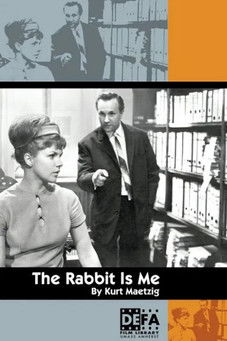
The Rabbit Is Me
1965
No user ratings available yet
Representation score: 6.5 out of 10

Representation Score
Good
1966
Director
Jürgen Böttcher
Runtime
95 minutes
Average Rating
No ratings yetNew Showbiz Analysis
Born in '45 is a sophisticated historical reconstruction that prioritizes collective socialist ability to act over individualist heroism. It subverts traditional gender hierarchies by showcasing women as essential societal actors during the reconstruction era. However, the film is limited by the historical and ideological constraints of its 1966 context. It lacks modern markers regarding LGBTQ+ representation and racial diversity, reflecting the homogeneous demographic of post-war Germany. Ultimately, the film serves as a powerful critique of capitalist structures, favoring a communal, secular social order that challenges Western cinematic clichés.
Category Breakdown
The film focuses on post-war reconstruction and the survival of the collective. There are no characters or narratives addressing LGBTQ+ identities.
The narrative centers women as primary drivers of societal rebuilding, highlighting their essential roles during the reconstruction era.
The cast reflects the homogeneous ethnic composition of post-war Germany. It presents a realistic portrayal of the specific demographic of the time.
The film prioritizes secular, socialist ideals over religious institutions. It emphasizes collective labor and communal discipline as a moral necessity for rebuilding the nation.
No specific characters are defined by disability. However, the physical and psychological wreckage of the broken nation serves as a central, metaphorical theme.
Present on Screen
Limited or Absent
Official Synopsis
Originally banned in 1966, East German director Jürgen Böttcher's tale of love and disillusionment among two newlyweds attempting to navigate the treacherous world of marriage was never officially released in his homeland until after reunification in 1990.
1965

1953
1958

1965
1964
1979

2001

1984
No reviews yet. Be the first to share your thoughts on this movie!
Use the rating form above to leave a star rating and optional review.