
Born in '45
1966
No user ratings available yet
Representation score: 6.7 out of 10
Representation Score
Good
1965
Director
Kurt Maetzig
Runtime
110 minutes
Average Rating
No ratings yetNew Showbiz Analysis
The film is a profound exploration of the tension between the individual and the collective. Although its demographic diversity is limited by its historical and geographic setting in East Germany, its narrative structure is highly progressive. It uses moral ambiguity to challenge the perceived infallibility of established social orders. By focusing on Maria's perspective, the film shifts the weight of political drama onto a female lens, offering a nuanced look at institutional corruption.
Category Breakdown
The film focuses on a traditional romantic relationship between Maria and Paul. It does not include explicit non-cisgender identities or narratives that question the assumption that everyone is straight.
Maria serves as the emotional and moral center of the narrative. Her role challenges expectations by using her personal relationships to confront state corruption.
The cast is ethnically homogeneous, reflecting the historical context of mid-1960s East Germany. There is no intentional inclusion of diverse racial or ethnic backgrounds.
The film provides a sophisticated critique of state bureaucracy and institutional power. It emphasizes individual authenticity over the dehumanizing forces of systemic conformity.
Themes of psychological alienation and existential drift are explored. However, these are treated as philosophical conditions rather than specific representations of disability.
Present on Screen
Limited or Absent
Official Synopsis
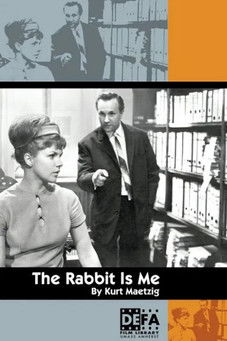
Maria, a young student sees her brother Dieter going to prison for sedition against the state. She starts an affair with Paul, a judge who turns out to be the one who sentenced her brother, which eventually leads to a confrontation.
1966

1974

1966

1982
1969

1991

1995

1978
No reviews yet. Be the first to share your thoughts on this movie!
Use the rating form above to leave a star rating and optional review.