Aladdin and the Magic Lamp
1954
No user ratings available yet
Representation score: 1.5 out of 10
Representation Score
Limited
1978
Director
Karel Zeman
Runtime
73 minutes
Average Rating
No ratings yetNew Showbiz Analysis
Karel Zeman’s work is a technical masterpiece of visual surrealism, yet it remains deeply rooted in traditional folklore. The narrative structure prioritizes a male-centric, hierarchical setup that lacks depth in representing various identities. The film adheres to the cultural constraints of its era, presenting a homogeneous social landscape. It focuses on the aesthetic spectacle of magic rather than deconstructing social norms or exploring identity politics. While visually innovative, the story does not engage with progressive representation, instead relying on established genre clichés and localized historical archetypes.
Category Breakdown
The film does not include any LGBTQ+ identities or same-sex relationships. The story revolves around a male-dominated hierarchy between a master and his apprentices.
Men play the key roles in the story, with no prominent female characters. The lack of women in power roles reinforces traditional gender hierarchies.
The setting reflects the demographic homogeneity of 1970s regional folklore. There is no evidence of racial diversity or blended cultures in the cast.
The story follows traditional dark fantasy and folklore clichés. It maintains a traditionalist approach to morality within a fairytale structure without challenging broader social norms.
The sorcerer's one-eyed appearance serves as a standard fantasy cliché. The film does not explore disability in a nuanced way or provide meaningful representation for disabled characters.
Present on Screen
Limited or Absent
Official Synopsis
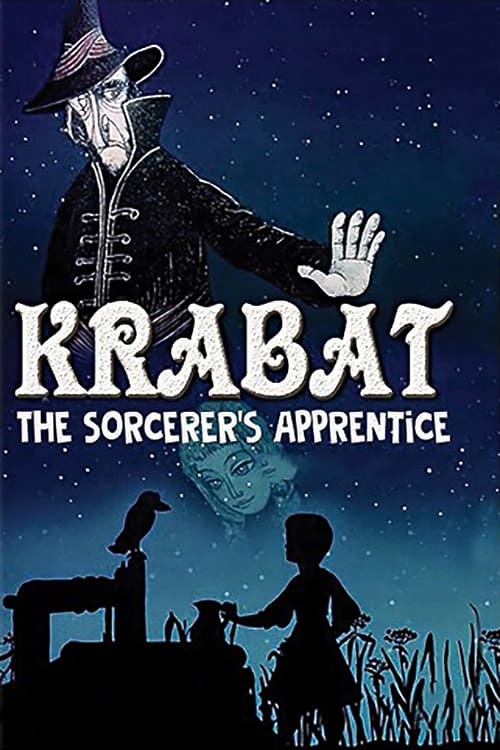
Beggar boy Krabat is lured to apprentice for an evil, one-eyed sorcerer. With a number of others, he works at the sorcerer's mill while learning black magic. Every Christmas, one of the lads has to face the master in a magical duel, where the boy never stands a chance because the master is the only person allowed to use a secret spell.
1954

1982
1954

1973
1954
1998
1955
1985
No reviews yet. Be the first to share your thoughts on this movie!
Use the rating form above to leave a star rating and optional review.