
The Mayor of Hell
1933
No user ratings available yet
Diversity score: 2.6 out of 10
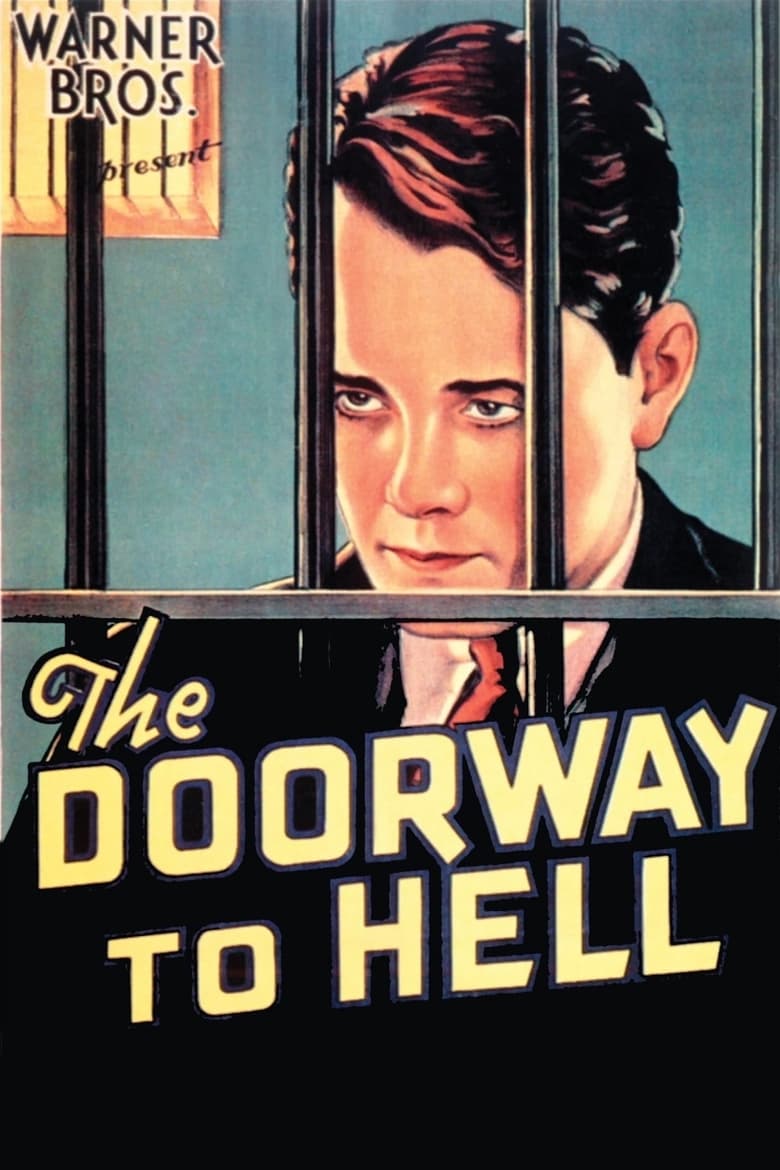
1930
NRDirector
Archie Mayo
Runtime
78 minutes
Average Rating
No ratings yetSynopsis
A vicious crime lord decides that he has had enough and much to the shock of his colleagues decides to give the business to his second in command and retire to Florida after marrying his moll. Unfortunately, he has no idea that she and the man are lovers.
Overall Score
Limited
Category Breakdown
LGBTQ+ Representation
The film focuses on a heterosexual romantic entanglement between a crime lord and his moll. There are no visible non-cisnormative identities or narratives present.
Gender Representation
Female characters are framed through the 'moll' trope, defined by their proximity to criminal men. While the female lead exerts agency through deception, men hold the primary leadership roles.
Racial & Ethnic Diversity
The film likely reflects the homogeneous casting standards of the 1930s studio system. There is no indication of characters of color possessing significant agency.
Religious & Cultural Diversity
The story centers on individual moral failings and betrayal rather than systemic critique. It reinforces traditional notions of consequence within a criminal framework.
Disability Representation
The narrative does not mention any characters with visible or invisible disabilities.
Strengths
Areas for Improvement
AI Analysis
The Doorway to Hell is a traditional crime melodrama that adheres strictly to the cinematic conventions of the early sound era. It relies on established moral archetypes and standard narrative resolutions common to 1930s crime dramas. The film's structure focuses on the shifting of power within a criminal enterprise and the consequences of infidelity. This emphasis on individual betrayal rather than social critique limits its depth regarding broader systemic or cultural representation. Ultimately, the film functions as a cautionary tale that reinforces the social hierarchies and gender tropes of its time, offering little in the way of intersectional or subversive perspectives.
1933
1935
1934
1939
1941
1931
1950
1930

1927
1936
1936
1936
No reviews yet. Be the first to share your thoughts on this movie!
Use the rating form above to leave a star rating and optional review.