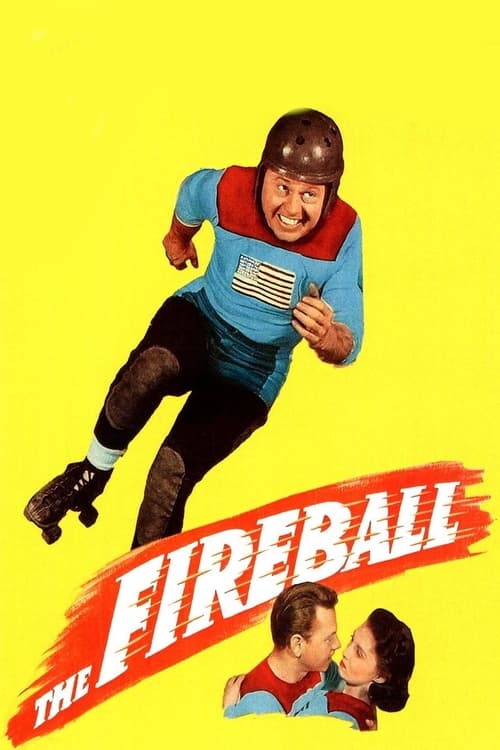
The Fireball
1950
No user ratings available yet
Diversity score: 1.6 out of 10

1983
Director
Rafal Zielinski
Runtime
101 minutes
Average Rating
No ratings yetSynopsis
Theresa is an imaginative, rebellious orphan from Brooklyn, who has dreams of show business success. She tries outrageous schemes to launch herself into the public eye, until finally meeting a mentor, Sammy Cohen, whose own career fizzled as a result of alcoholism.
Overall Score
Limited
Category Breakdown
LGBTQ+ Representation
The film lacks identifiable LGBTQ+ characters or narratives. Romantic arcs follow traditional heteronormative structures typical of early 1980s teen comedies.
Gender Representation
Narrative structures lean heavily on traditional gender roles. Female characters often function as romantic interests or secondary figures within the social ecosystem.
Racial & Ethnic Diversity
The film depicts a relatively homogeneous social environment. Despite a Brooklyn setting, the story does not explore intersectional racial dynamics or provide high agency to characters of color.
Religious & Cultural Diversity
The story operates within a conventional Western framework. It reinforces standard institutions rather than engaging in critiques of capitalism or religion.
Disability Representation
There is no discernible representation of physical, sensory, or neurodivergent disabilities. Characters with disabilities are not part of the central plot arcs.
Strengths
Areas for Improvement
AI Analysis
Hey Babe! serves as a period-specific artifact of 1980s teen comedy, prioritizing conventional genre tropes over progressive narrative disruption. The film focuses on adolescent social hierarchies and individualistic pursuits of success without challenging established social or gendered norms. The storytelling relies on standard archetypes, resulting in a lack of intersectional depth. While the protagonist navigates a coming-of-age journey, the film remains within a traditional, non-subversive cinematic framework that reflects the demographic norms of its era.
1950
1958
1959
1927
2009
1995
1971
1933
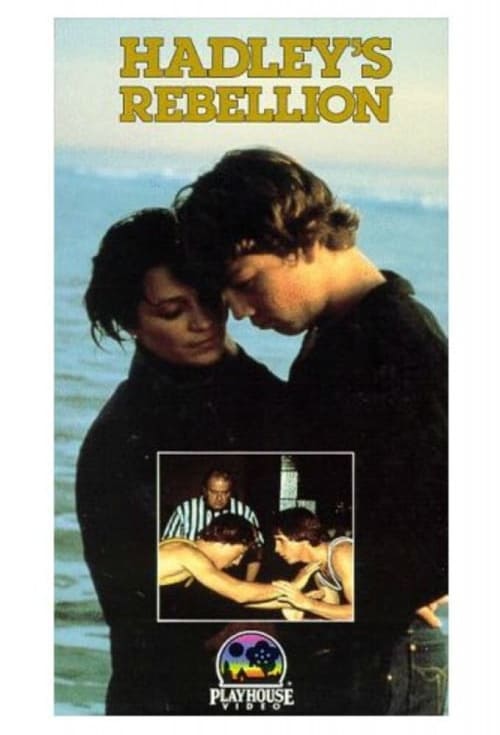
1983
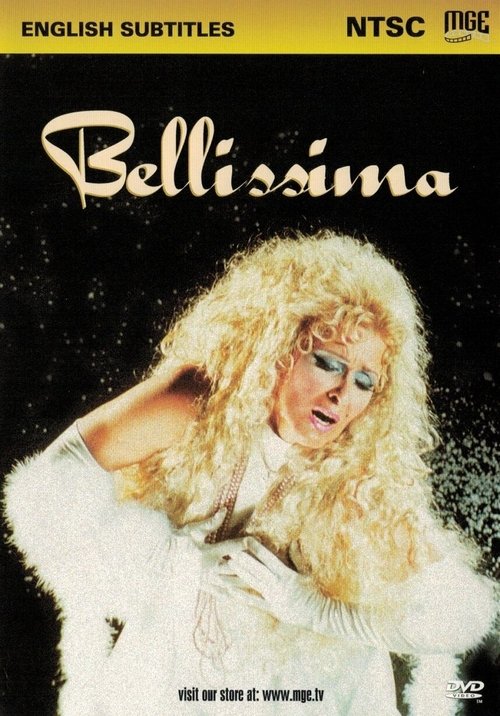
2001
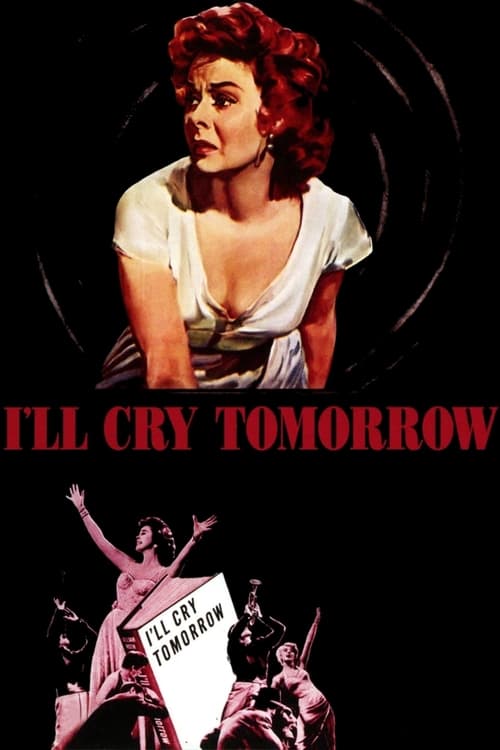
1955
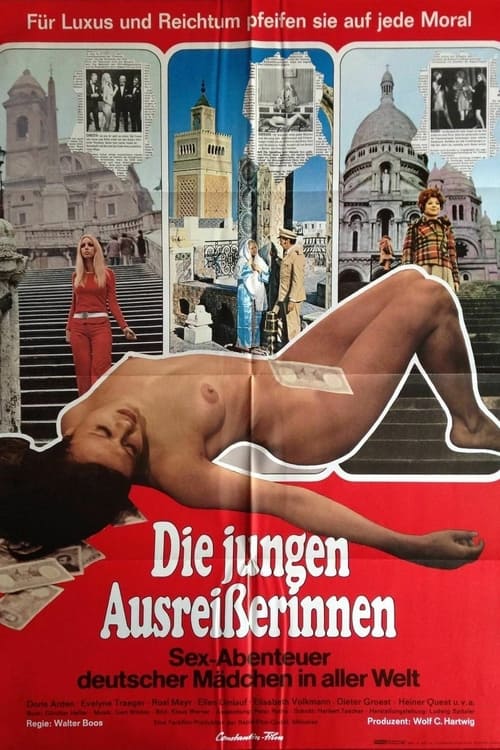
1972
No reviews yet. Be the first to share your thoughts on this movie!
Use the rating form above to leave a star rating and optional review.