You are here:

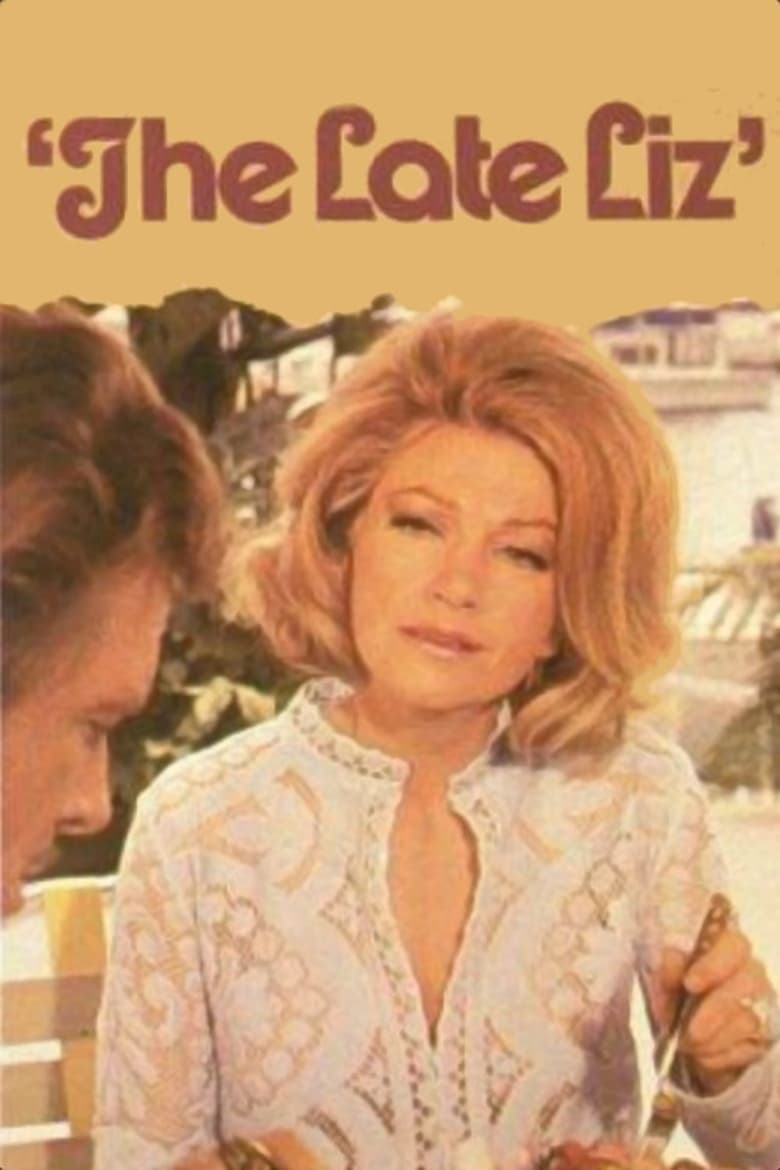
The Late Liz

The Late Liz

Representation Score

0.2/10

Minimal

1971

GP

Director

Dick Ross

Runtime

119 minutes

Average Rating

No ratings yet

New Showbiz Analysis

The Late Liz operates as a traditional drama that upholds existing social and religious hierarchies. While it centers on a female protagonist, her journey is driven by external moral correction rather than internal empowerment or the subversion of gender roles. The film's themes emphasize how religious intervention can change personal behaviors like drinking. This approach favors institutional morality over secular or critical views of religion. Overall, the lack of visible diversity in race, gender identity, and disability narrows the narrative scope, reflecting the limited progressive storytelling of its time.

Watch this, not that →

Category Breakdown

Does The Late Liz have LGBTQ+ representation?

Minimal

The film does not include any characters with non-binary gender identities. It follows a traditional storyline without questioning the assumption that everyone is straight or cisgender.

How does The Late Liz portray gender?

Limited

The story focuses on a female protagonist, but her role is limited. Her character development is influenced by external religious factors rather than her own strength or intellectual growth.

How racially and ethnically diverse is The Late Liz?

Minimal

There is no mention of the racial makeup of the cast. The film does not show any evidence of diverse casting or ethnic representation.

How does The Late Liz represent religion and culture?

Minimal

The film emphasizes a strict religious morality as a means of social correction. This focus aligns with traditional Western values and moral absolutes.

Does The Late Liz include disability representation?

Minimal

The film does not feature any characters dealing with physical disabilities, neurodivergence, or mental health issues. There is no representation of these conditions in the narrative.

Present on Screen

  • The film provides a baseline for female-centered storytelling by focusing on a female protagonist.

Limited or Absent

  • The film lacks representation for LGBTQ+ identities, diverse racial backgrounds, and characters with disabilities.
  • The narrative depends on traditional religious moralism instead of exploring complex or subversive character motivations.
  • The protagonist's arc is shaped by external influences rather than independent strength or intellect.

Official Synopsis

Religion changes a woman's attitude towards alcohol.

How are these scores produced? →

Where to Watch

Rate this Movie

No rating selected
Use arrow keys to select a rating from 1 to 5 stars
Optional text review, maximum 2000 characters
Tip: Wrap spoilers with ||double pipes|| to hide them
0/2000 characters
You must be signed in to submit a rating

Reviews

No reviews yet. Be the first to share your thoughts on this movie!

Use the rating form above to leave a star rating and optional review.