
40-Love
2014
No user ratings available yet
Diversity score: 3.6 out of 10
2001
Director
Artur Urbański
Runtime
61 minutes
Average Rating
No ratings yetSynopsis
Elzbieta (Ewa Kasprzyk) desperately wishes for her daughter, Maria (Maria Goralczyk), to become famous so she can live vicariously through her. Feeling she was deprived of her shot at fame, Elzbieta sets up auditions for Maria, even though Maria isn't interested. During the shooting of a television commercial, Maria walks out, leaving her mother and her mother's actor boyfriend hanging. Will Elzbieta's dreams for Maria come true?
Overall Score
Limited
Category Breakdown
LGBTQ+ Representation
The story centers on a heterosexual mother-daughter relationship and a romantic connection between the mother and an actor. There is no evidence of non-cisnormative identities or critiques of heteronormativity.
Gender Representation
The film examines female agency through Elzbieta’s intense maternal ambition. While it disrupts the selfless mother trope, the power dynamics remain rooted in traditional familial hierarchies.
Racial & Ethnic Diversity
The narrative focuses on a specific family unit within a seemingly homogeneous social environment. There is no mention of a multi-ethnic cast or diverse racial backgrounds.
Religious & Cultural Diversity
The plot explores the tension between individual ego and familial stability. It critiques vicarious ambition but lacks a broader systemic critique of Western institutions or cultural structures.
Disability Representation
The available information provides no evidence regarding the portrayal of characters with physical, sensory, or neurodivergent disabilities.
Strengths
Areas for Improvement
AI Analysis
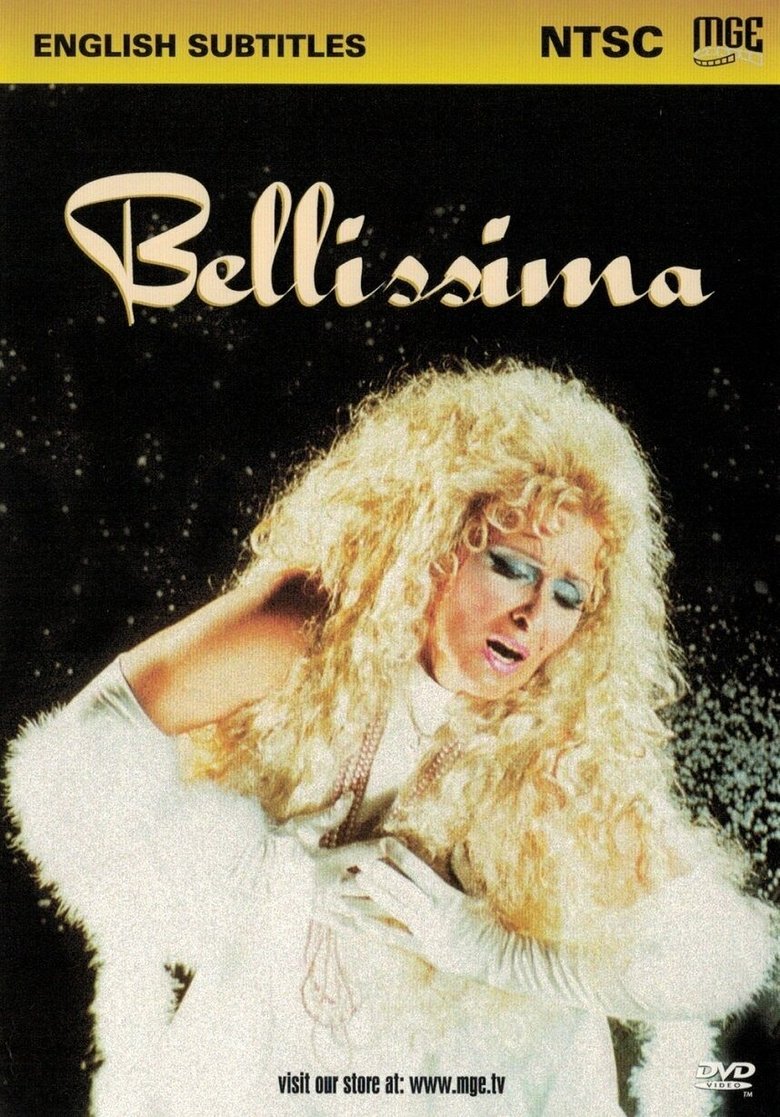
Bellissima is a localized domestic drama that prioritizes interpersonal psychological dynamics over intersectional identity politics. The narrative focuses heavily on the internal struggles of a single family unit, which limits its breadth of representation. While the film offers a nuanced look at maternal ambition and the subversion of traditional nurturing roles, it lacks engagement with broader social structures. The focus remains narrow, centering on a conventional romantic and familial framework. Ultimately, the film functions as a character study of individual obsession rather than a vehicle for exploring diverse social or systemic perspectives.
2014

2018

2019

2020

2018

2012

2015

2016

2015

2010

1940

1985
No reviews yet. Be the first to share your thoughts on this movie!
Use the rating form above to leave a star rating and optional review.