
Eva Nová
2015
No user ratings available yet
Representation score: 6.5 out of 10
Representation Score
Minimal
2009
RDirector
Martin Zandvliet
Runtime
85 minutes
Average Rating
No ratings yetNew Showbiz Analysis
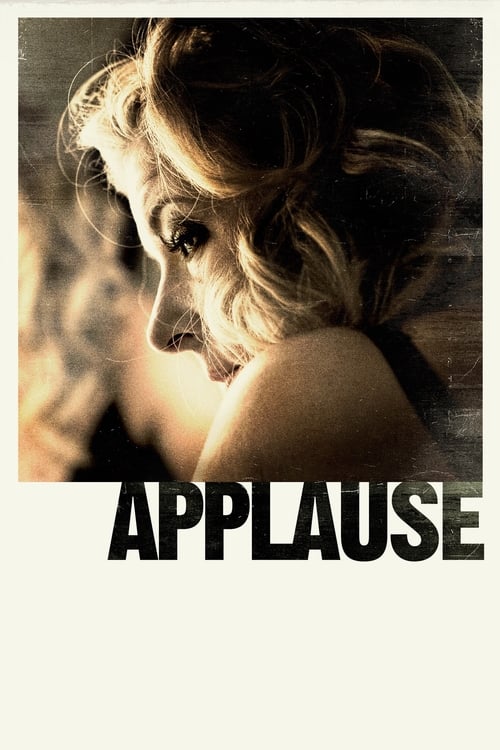
Applause is a naturalistic character study that emphasizes psychological tension and situational ethics over demographic diversity. The story centers on the tension between individual empathy and the rigid expectations of a rural collective, resulting in a narrow social scope. The film operates within a very specific, localized context that lacks diverse representation. While it offers a grounded study of human responsibility, it does not challenge traditional hierarchies or include diverse identities. Ultimately, the narrative's commitment to Scandinavian naturalism creates a homogeneous environment that avoids broader social or cultural engagement.
Category Breakdown
The film does not include any LGBTQ+ characters or non-cisgender identities. The story focuses solely on heterosexual relationships and traditional family structures.
Gender roles in the film are defined by traditional domestic and social positions within an agrarian setting. The conflict reinforces conventional gender roles rather than challenging them.
Set in a rural Danish village, the film features a predominantly white cast with no racial or ethnic diversity.
The film examines the tension between community social order and individual conscience. It subtly critiques social conformity through a character's anti-social behavior.
The film does not depict any visible or invisible disabilities. Mental health conditions and neurodivergence are not central to the narrative.
Present on Screen
Limited or Absent
Official Synopsis
When the critically acclaimed, tough and coming of age actress Thea Barfoed ends her rehab, she confronts a hard choice. During her heavy drinking period she divorced and lost custody of her two boys. Now she wants them to be a part of her life again.
2015

2019
2004
1995

2009

2010
2022

2006
No reviews yet. Be the first to share your thoughts on this movie!
Use the rating form above to leave a star rating and optional review.