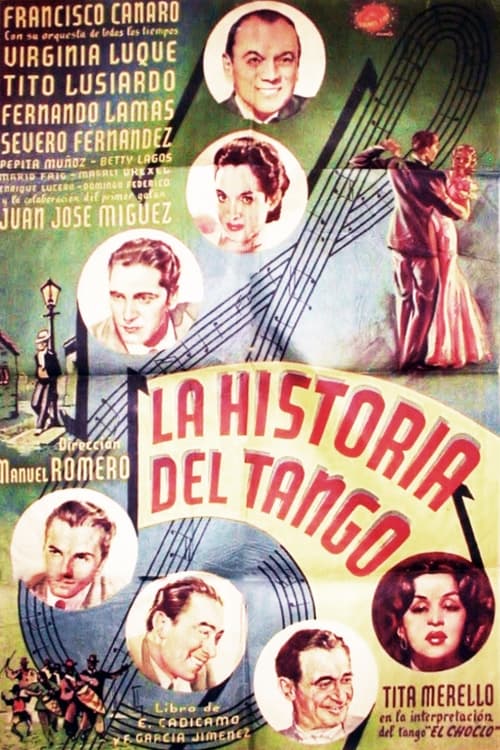
La historia del tango
1949
No user ratings available yet
Diversity score: 2.9 out of 10
1952
Director
Richard Pottier
Runtime
94 minutes
Average Rating
No ratings yetSynopsis
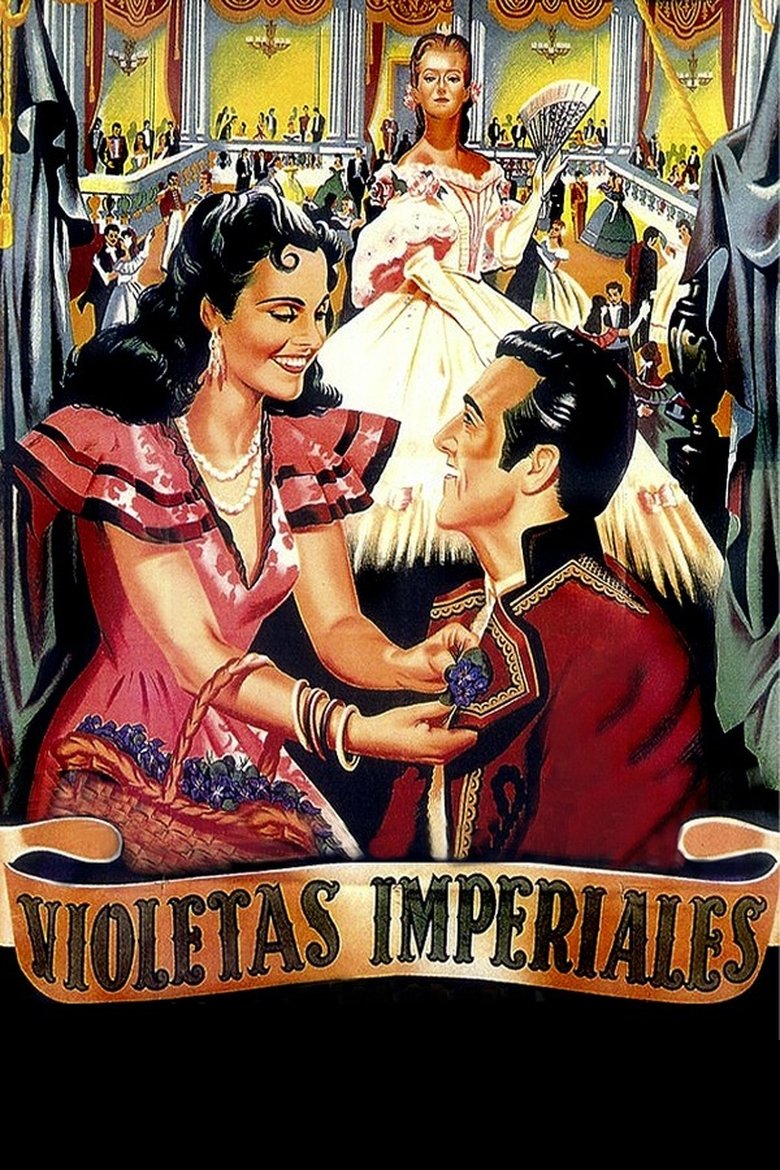
Violeta, an Andalusian gypsy, foretells a lady she will become empress. The lady is Eugenia de Montijo, and when she marries emperor Luis Napoleón of France she takes the young girl with her. The empress'cousin readily makes her his focus of attention, then she discovers a criminal attempt against the empress.
Overall Score
Limited
Category Breakdown
LGBTQ+ Representation
The narrative focuses on the marriage between Eugenia de Montijo and Louis Napoleon. There is no indication of non-heteronormative identities or queer themes.
Gender Representation
While the film features a female protagonist in a position of power, her status is tied to her marriage. The story follows traditional imperial and marital structures.
Racial & Ethnic Diversity
The character Violeta provides ethnic diversity as an Andalusian gypsy. However, her role appears to function through romanticized exoticism rather than deep systemic agency.
Religious & Cultural Diversity
The film centers on the grandeur of the French Empire. It reinforces the prestige of Western imperial institutions and traditional social hierarchies.
Disability Representation
The film provides no visible representation of physical or neurodivergent characters.
Strengths
Areas for Improvement
AI Analysis
Imperial Violets is a mid-century period drama that prioritizes historical melodrama and romanticized tropes. The story uses a prophecy to bridge the gap between a marginalized background and imperial life, but it does not seek to deconstruct social hierarchies. The film relies on traditional narrative arcs common to 1950s European studio filmmaking. While it includes ethnic diversity through the character of Violeta, the portrayal leans toward exoticism rather than a critique of marginalization. Ultimately, the work functions as escapist entertainment. It reinforces the stability of the era's social structures rather than challenging the power dynamics of the French Empire.
1949
2006
1961
1931
1979

1954
1926

1982
1934
1957
No reviews yet. Be the first to share your thoughts on this movie!
Use the rating form above to leave a star rating and optional review.