Don Quixote
1957
No user ratings available yet
Representation score: 2.3 out of 10
Representation Score
Fair
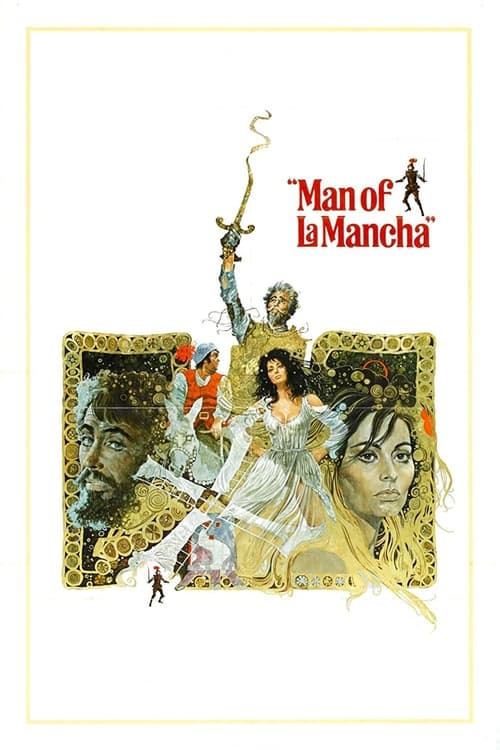
1972
PGDirector
Arthur Hiller
Runtime
132 minutes
Average Rating
No ratings yetNew Showbiz Analysis
Man of La Mancha is a character-focused drama that delves deeply into psychological complexity and anti-institutional themes. It excels by highlighting the subjective experiences of underrepresented individuals against systemic oppression. However, the film is confined by its historical context and the demographics of its time. It lacks diverse racial and LGBTQ+ representation, focusing instead on a homogeneous demographic. Ultimately, the film's impact lies in its sophisticated critique of authority. It prioritizes a deep exploration of individual experiences over broad demographic diversity.
Category Breakdown
The film does not include any LGBTQ+ characters or representations of non-straight relationships. The central conflict revolves around Don Quixote's chivalric devotion to a woman, without any queer undertones.
Aldonza's character offers a nuanced look at gender roles and social hierarchies. The narrative highlights her dignity and critiques how women are viewed by societal structures, through the contrast between her lived experiences and societal expectations.
The cast is predominantly made up of white Europeans, reflecting both the 16th-century Spanish setting and the 1970s production context. There is no indication of intentional racial diversity.
The film effectively portrays the Spanish Inquisition as a repressive system. It emphasizes the dreamer's personal truth over the rigid doctrines of a corrupt religious institution.
Don Quixote's neurodivergence is portrayed positively, emphasizing his intellectual journey and philosophical strengths rather than mocking his perceived madness.
Present on Screen
Limited or Absent
Official Synopsis
In the 16th century, poet, playwright and part-time actor Miguel de Cervantes has been arrested, together with his manservant, by the Spanish Inquisition. They're accused of presenting an entertainment offensive to the Inquisition. Inside the huge dungeon into which they have been cast, the other inmates gang up on Cervantes and his manservant, staging a mock trial, with the intention of stealing or burning his possessions. Cervantes wishes to desperately save a manuscript he carries with him and stages, with costumes, makeup, and the participation of the other prisoners, an unusual defense—the story of Don Quixote.
1957
1955
2002
1952
1933
1975
1992
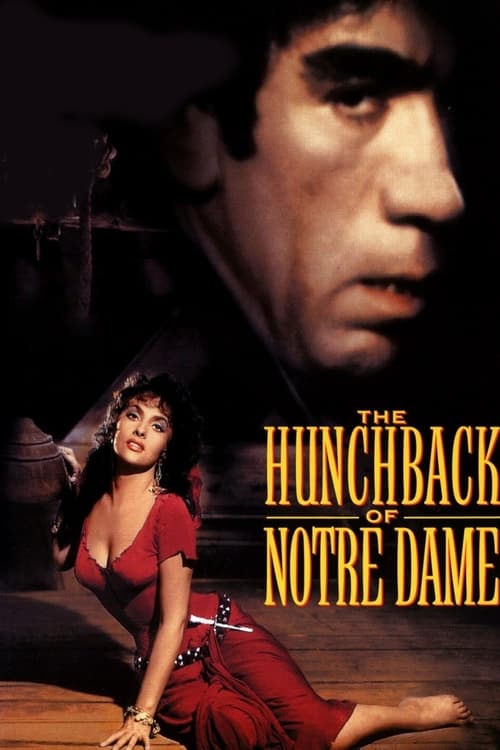
1956
No reviews yet. Be the first to share your thoughts on this movie!
Use the rating form above to leave a star rating and optional review.