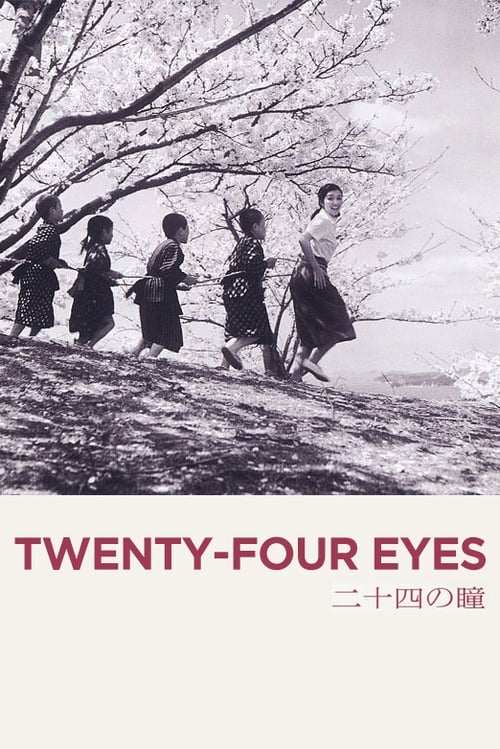
Twenty-Four Eyes
1954
No user ratings available yet
Representation score: 2.5 out of 10
Representation Score
Minimal
1963
Director
Miyoji Ieki
Runtime
93 minutes
Average Rating
No ratings yetNew Showbiz Analysis
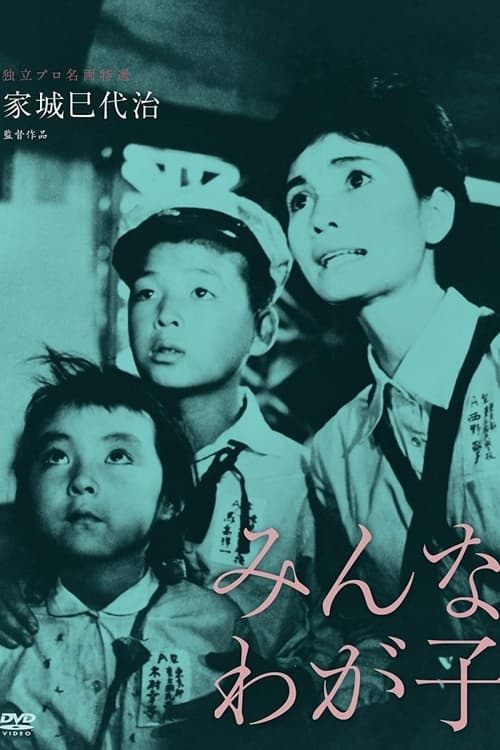
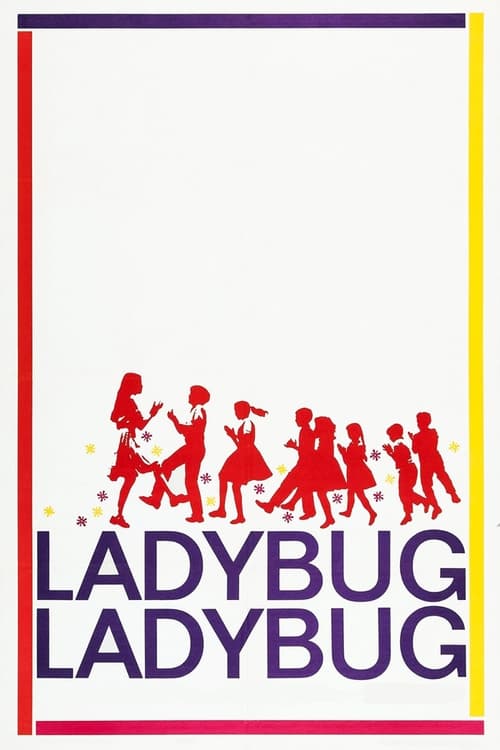
All My Children (1963) is a traditional period drama centered on the moral and pedagogical duties of educators during the final stages of World War II. The narrative prioritizes historical realism and the tension between institutional duty and human survival during Allied bombings. The film reflects the social and cultural constraints of mid-century Japanese cinema. It focuses on the systemic pressures of wartime rather than the deconstruction of social hierarchies or the promotion of diverse identities. Ultimately, the work serves as a study of duty and survival within a localized socio-political context, lacking modern progressive metrics or intentional subversion of traditional norms.
Category Breakdown
The film does not include any characters with non-traditional gender identities or narratives that question the assumption that everyone is straight or cisgender. It follows the conventions of 1963 Japanese cinema.
The scenario involving teachers managing evacuations suggests potential for women to play a significant role in crisis management. However, the film likely adheres to the gender roles typical of its time without challenging traditional hierarchies.
As a Japanese production set during a period of national conflict, the cast is expected to be ethnically uniform. The narrative does not employ non-Western casting or race-bending techniques.
The story examines the collapse of traditional structures like schools and the state during wartime. It functions as a period drama focused on survival and duty rather than progressive frameworks.
There is no documented evidence of characters with physical or neurodivergent disabilities within the narrative.
Present on Screen
Limited or Absent
Official Synopsis
School teachers responsible for the lives of their students work to evacuate Allied bombings near the end of WWII.
1954
1955
1988
1936

2005
1946
1963
1996
No reviews yet. Be the first to share your thoughts on this movie!
Use the rating form above to leave a star rating and optional review.