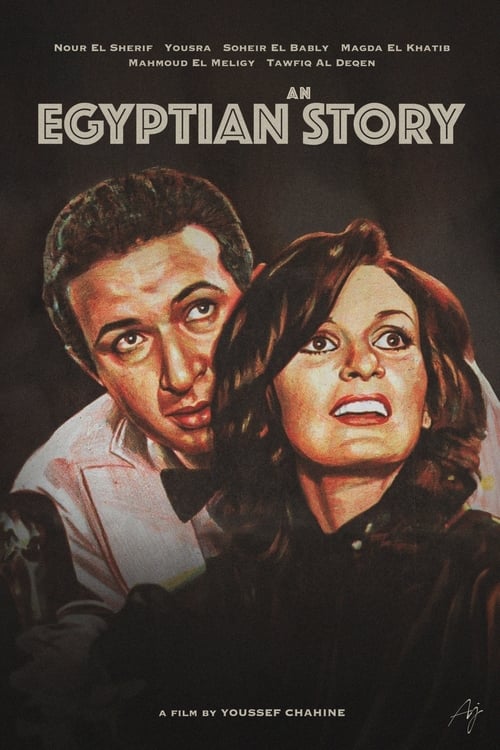
An Egyptian Story
1982
No user ratings available yet
Representation score: 9.3 out of 10

Representation Score
Good
1989
Not RatedDirector
Youssef Chahine
Runtime
105 minutes
Average Rating
No ratings yetNew Showbiz Analysis
Youssef Chahine’s work is a sophisticated deconstruction of identity and authority. The film challenges traditional hierarchies, particularly around gendered intimacy and the stability of cultural institutions. It prioritizes the fluidity of human experience over rigid social norms. The narrative structure is intellectually dense, focusing on the volatile nature of creative obsession. By centering the story on the internal struggles of the artist, the film moves away from domestic or patriotic clichés toward a more complex, secular worldview. While the film excels in its cultural and LGBTQ subtext, the heavy focus on male-centric dynamics limits broader gender diversity. However, its cosmopolitan setting provides a rich, non-monolithic view of identity.
Category Breakdown
The film examines the blurred lines between professional mentorship and personal obsession. It challenges the assumption that everyone is straight or cisgender by highlighting the intense emotional bond between the director and his muse.
The narrative centers on male-focused dynamics and psychological interactions. While it avoids depicting women in submissive roles, the main creative influence remains predominantly male.
Set in a cosmopolitan area, the film showcases a diverse Mediterranean identity. It avoids homogeneity by reflecting a complex mix of Middle Eastern and historical influences.
The story emphasizes subjective artistic truth over strict religious or institutional morality. It offers a sophisticated, secular exploration of identity that goes beyond conventional social expectations.
There is no significant depiction of physical or neurodivergent disabilities in this work.
Present on Screen
Limited or Absent
Official Synopsis
Set in 1987 against the backdrop of a hunger strike by the Egyptian film industry, Chahine himself steps in to play Yehia, the famed Egyptian director whose life is chronicled in "Alexandria, Why?" and "An Egyptian Story". Obsessed with Amr, the handsome actor he discovered and cast as his alter-ego in parts one and two of The Alexandria Trilogy, Yehia pressures Amr to star in various film projects that change even as Yehia's perception of the young actor begins to change. He first casts Amr as Hamlet, which the actor deems too demanding for his talents, then as the lead in a musical biopic of demigod Alexander the Great, who founded the city of Alexandria in 332 B.C.
1982

1964
1991
1954

2004
1975

1984

2000
No reviews yet. Be the first to share your thoughts on this movie!
Use the rating form above to leave a star rating and optional review.