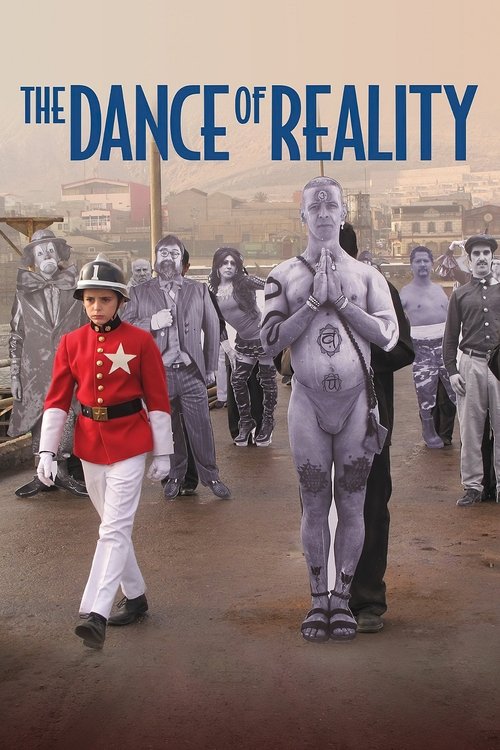
The Dance of Reality
2013
No user ratings available yet
Representation score: 8.0 out of 10

Representation Score
Excellent
1982
TV-MADirector
Youssef Chahine
Runtime
120 minutes
Average Rating
No ratings yetNew Showbiz Analysis
Youssef Chahine’s work is a progressive, semi-autobiographical exploration of identity that questions traditional social hierarchies. By blending reality with absurd fantasy, the film goes beyond simple storytelling to critique masculinity, gender roles, and national identity. The film stands out by rejecting Western social norms and patriarchal structures. It centers the Egyptian experience and uses the protagonist's internal struggles to challenge rigid social constructs. While the film is purposeful in its subversion of norms, its portrayal of disability is more symbolic than literal. However, the narrative structure provides a sophisticated viewing experience.
Category Breakdown
The film challenges traditional views by exploring fluid sexuality and gender identities. Same-sex attraction is crucial to the protagonist's quest for authenticity, questioning conventional family structures.
Women are given substantial emotional depth and play key roles in the story. The male lead is portrayed as emotionally unstable and disconnected, breaking away from typical masculine stereotypes.
The film offers a strong look at Egyptian identity, avoiding the Western perspective. It highlights a local cast and focuses on the socioeconomic context, reclaiming identity from a post-colonial viewpoint.
The film emphasizes personal truth over state-imposed morality. It uses absurd fantasy to criticize established institutions and explore the balance between individual freedom and societal norms.
A heart condition symbolizes psychological and physical vulnerability. This health issue is part of the character's identity without being used for ridicule.
Present on Screen
Limited or Absent
Official Synopsis
After we last see him in "Alexandria, Why?" Egyptian filmmaker Yehia Mourad is in his thirties, and successful in his work, he has grown distant from his wife and children and suffers a symbolic blockage of the heart while shooting the final scenes of his latest film. After being flown to England for evaluation, it's determined that Yehia must undergo emergency surgery. Fact and fiction blend seamlessly—with healthy doses of cleverly absurdist fantasy—as the film explores the various personalities and forces that have made Yehia (and Youssef Chahine) the man he has become.
2013

2010

1989
2019

2017

2015

1991

1991
No reviews yet. Be the first to share your thoughts on this movie!
Use the rating form above to leave a star rating and optional review.