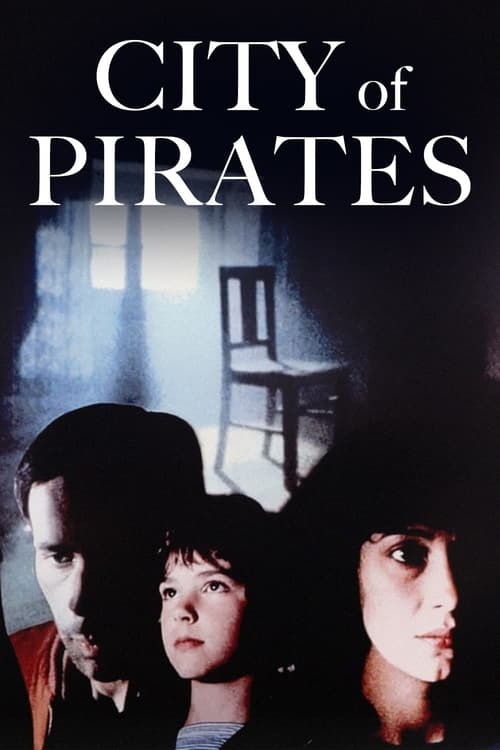
City of Pirates
1984
No user ratings available yet
Diversity score: 5.2 out of 10
1988
Director
Mark Zakharov
Runtime
123 minutes
Average Rating
No ratings yetSynopsis
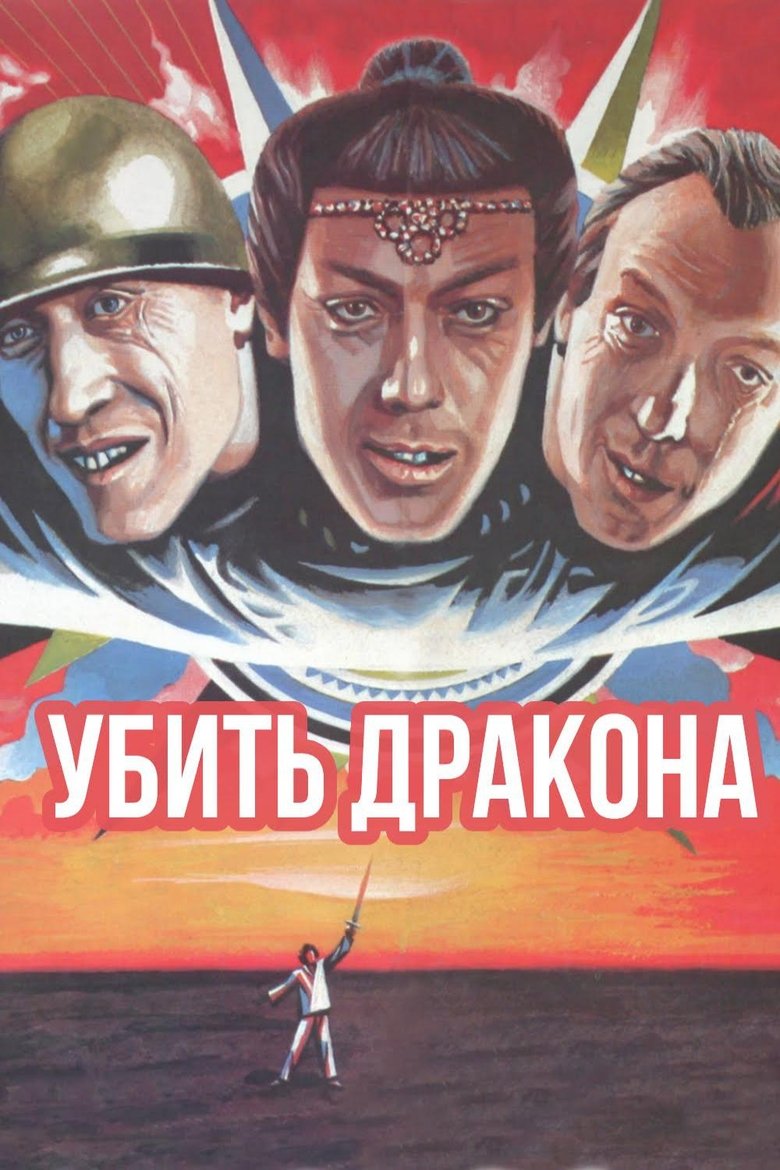
Dragon is a bloody dictator, who kills every opponent. People live hopelessly, until Lancelot comes to save the beautiful Elsa. Lancelot can only win, if all people become free from fear, that is feeding the Dragon's power. Dragon's multiple personalities, ranging from a "dragon" to a "samurai" to a "Nazi", scare the hell out of all people, except Lancelot. Finally Dragon drops all his masks, to become the most dangerous of his incarnations - "himself". And the battle begins
Overall Score
Fair
Category Breakdown
LGBTQ+ Representation
The film lacks explicit depictions of non-cisnormative identities or same-sex intimacy. While it avoids rigid heteronormative structures through postmodern fluidity, it does not provide overt representation.
Gender Representation
The story relies on traditional archetypes like the hero Lancelot and the damsel Elsa. Elsa serves primarily as a symbolic catalyst rather than a deep character study.
Racial & Ethnic Diversity
Set in a mythical landscape, the film focuses on universalized, mythic figures rather than intersectional diversity. Casting follows theatrical traditions that do not prioritize racial or ethnic variety.
Religious & Cultural Diversity
The narrative excels at critiquing power structures and ideological rigidity. By portraying the Dragon through shifting personas like a 'samurai' or 'Nazi,' it deconstructs institutional authority.
Disability Representation
There is no significant evidence of characters with disabilities acting as central agents. The Dragon's multiple personalities serve as a psychological metaphor rather than an exploration of neurodivergence.
Strengths
Areas for Improvement
AI Analysis
To Kill a Dragon is a sophisticated allegory that prioritizes philosophical inquiry over demographic breadth. It succeeds in deconstructing systemic tyranny and the psychological architecture of oppression through its surrealist lens. However, the film lacks intersectional depth. It relies on traditional gender archetypes and offers little in the way of racial, ethnic, or LGBTQ+ representation, focusing instead on universalized mythic struggles. Ultimately, the work is a triumph of intellectual critique rather than social representation, trading modern identity politics for a profound study of how fear sustains totalitarianism.
1984
1931
1990

1975
1985

1973

2000

2020

2008

2019
1980

1989
No reviews yet. Be the first to share your thoughts on this movie!
Use the rating form above to leave a star rating and optional review.