Penda's Fen
1974
No user ratings available yet
Diversity score: 6.8 out of 10
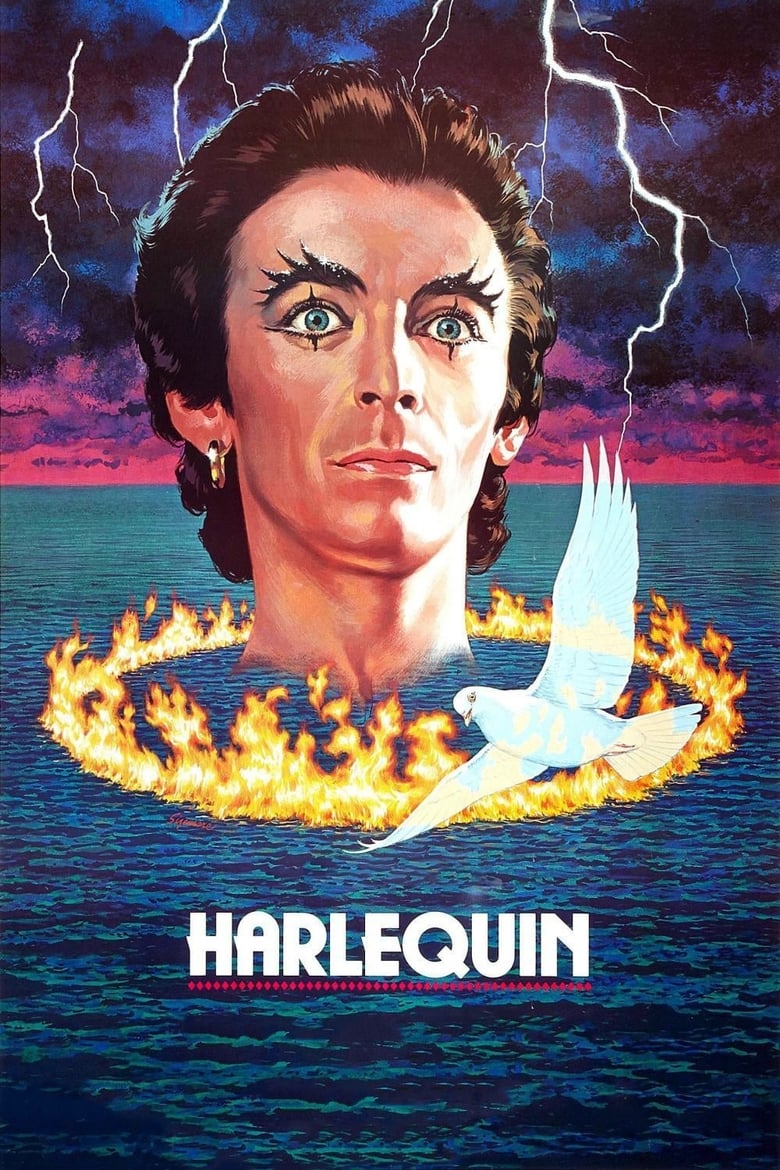
1980
PGDirector
Simon Wincer
Runtime
95 minutes
Average Rating
No ratings yetSynopsis
Up-and-coming senator Nick Rast's young son is terminally ill with leukemia. A mysterious faith healer, Gregory Wolfe, appears and seems to cure the boy. Rast's wife Sandy falls in love with Wolfe, but the powerful interests behind Rast's career, represented by geriatric monster Doc Wheelan are less happy with events.
Overall Score
Limited
Category Breakdown
LGBTQ+ Representation
The film lacks LGBTQ+ characters or narratives. The central romantic tension follows a traditional heterosexual triad involving the husband, wife, and healer.
Gender Representation
Sandy serves as the emotional driver but remains in a position of vulnerability. The power dynamics favor a patriarchal hierarchy centered on male characters.
Racial & Ethnic Diversity
The narrative appears centered on a homogeneous Western demographic. Character names suggest a lack of racial or ethnic diversity within the cast.
Religious & Cultural Diversity
The story explores faith healing and spiritual intervention. However, it frames conflict through individual greed rather than a systemic critique of religious institutions.
Disability Representation
Leukemia serves as a primary narrative catalyst. The miracle cure trope risks using illness as a plot device rather than a nuanced portrayal of lived experience.
Strengths
Areas for Improvement
AI Analysis
Harlequin operates as a conventional genre piece that adheres to the standard cinematic frameworks of the early 1980s. The narrative relies heavily on established dramatic tropes and traditional social hierarchies rather than attempting to disrupt them. The film's structure reinforces traditional archetypes, particularly regarding gender and relational dynamics. The central conflict is driven by individual corruption and supernatural intervention, which follows a standard moral framework. Ultimately, the work lacks intentionality in representing diverse identities. It functions within a homogeneous demographic landscape, focusing on a predictable triad of characters and traditional power structures.
No reviews yet. Be the first to share your thoughts on this movie!
Use the rating form above to leave a star rating and optional review.