Beyond the Boundary: I'll Be Here – Future
2015
No user ratings available yet
Representation score: 4.1 out of 10
Representation Score
Good
2020
TV-14Director
Hiroshi Ikehata
Runtime
90 minutes
Average Rating
No ratings yetNew Showbiz Analysis
BEM: BECOME HUMAN uses horror and fantasy genres to question the authenticity of social identities. The film's strength lies in disrupting the 'happy ending' cliché by questioning if traditional stability is actually a form of systemic erasure. The narrative focuses on the psychological exploration of the 'other.' It examines how social structures like family and names can act as mechanisms of suppression rather than liberation. While the film lacks explicit non-assuming gender matches what was assigned at birth or diverse racial identities, its thematic depth regarding identity performance and cognitive differences provides a unique layer of representation.
Category Breakdown
The story focuses on a family structure that assumes everyone is straight or cisgender. However, the tension between a hidden past and a constructed identity serves as a metaphor for the performance of identity.
The film looks at domestic life through a traditional lens. It adds depth by focusing on the protagonist's internal struggles rather than typical masculine roles.
There is insufficient evidence to determine racial or ethnic representation within the provided context.
The story challenges the conventional celebration of the nuclear family. It critiques social systems that demand conformity through themes of suppressed memories.
The protagonist's status as a humanoid monster symbolizes neurodivergence. The story centers on a character navigating a world that doesn't align with their true nature.
Present on Screen
Limited or Absent
Official Synopsis
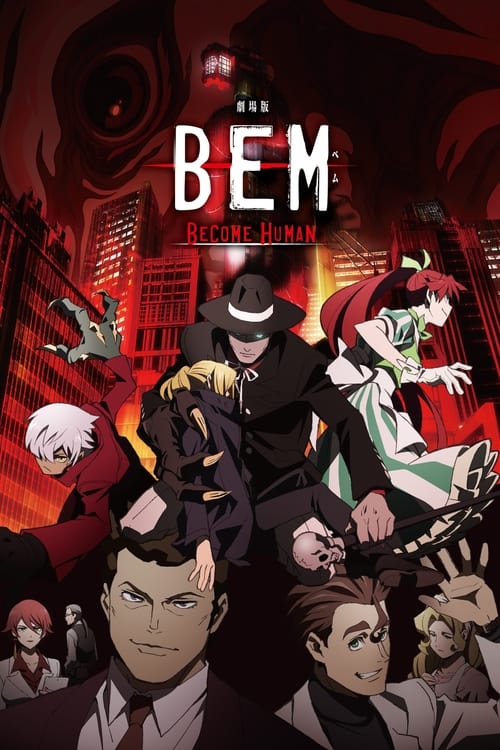
Two years have passed since Bem, Bela, and Belo disappeared. Bem is now living the life of his dreams with a wife and kids. Except he has a new name and no memory of his humanoid monster past. Is this really domestic bliss or something sinister?
2015

2013

2012

2021

2020
2016
2015

2016
No reviews yet. Be the first to share your thoughts on this movie!
Use the rating form above to leave a star rating and optional review.