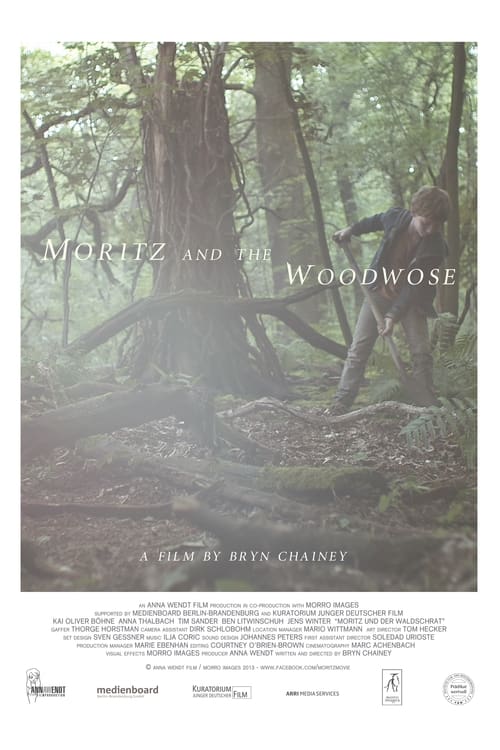
Moritz and the Woodwose
2013
No user ratings available yet
Representation score: 6.1 out of 10
Representation Score
Limited
1931
Director
Marie-Louise Iribe
Runtime
46 minutes
Average Rating
No ratings yetNew Showbiz Analysis
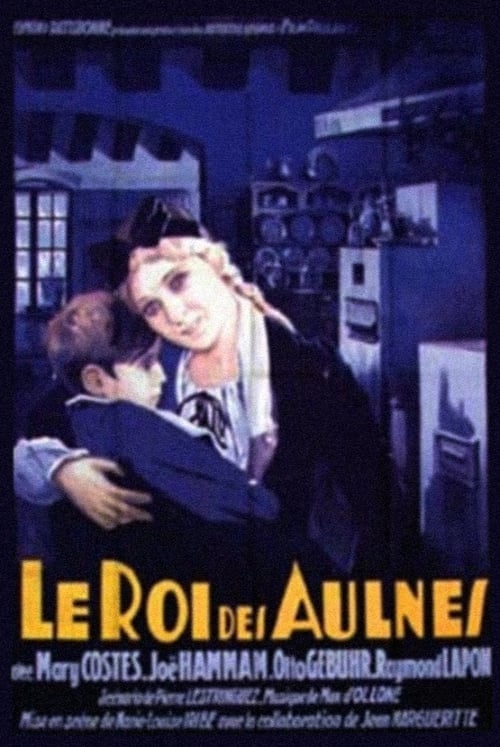
The Erl King is a period-specific psychological drama that emphasizes metaphysical tension over diverse representation. The narrative structure relies on traditional archetypes of parenthood and mortality, reflecting the social norms of 1931 French cinema. While the film delves into psychological complexity through surreal elements, it lacks modern social commentary. The focus remains on a singular paternal struggle rather than a diverse cast or varied identities. Ultimately, the work adheres to the homogeneous casting and gender norms typical of early 20th-century European film.
Category Breakdown
The film focuses on paternal struggles and metaphysical concepts of death. There are no queer romantic arcs or non-straight identities represented.
The story centers on a male protagonist racing to save his son. It does not challenge traditional gender roles or highlight female intellect.
Reflecting the casting standards of 1931 France, the film lacks racial diversity. There are no non-white protagonists or actors from diverse backgrounds.
The film explores subjective morality through a child's imagination. While psychologically complex, it remains rooted in traditional European dramatic conventions.
The Erl King serves as a metaphor for a child's psychological state. It is unclear if mental health themes are treated with real depth or used merely as plot devices.
Present on Screen
Limited or Absent
Official Synopsis
A young man races to save his son's life, but death – incarnated in the child's imagination as the titular Erl King – calls unceasingly.
2013
1921
1973
1921

1999

2024
1904

1990
No reviews yet. Be the first to share your thoughts on this movie!
Use the rating form above to leave a star rating and optional review.