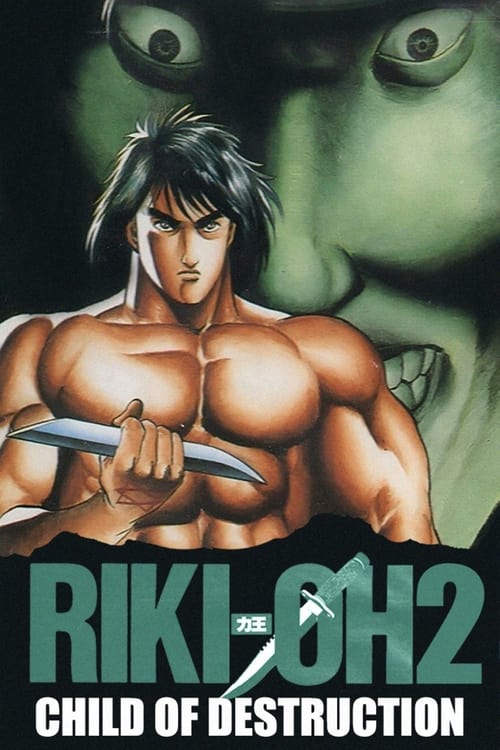
Riki-Oh 2: Child of Destruction
1990
No user ratings available yet
Representation score: 2.9 out of 10
Representation Score
Limited
1989
Director
Satoshi Dezaki
Runtime
48 minutes
Average Rating
No ratings yetNew Showbiz Analysis
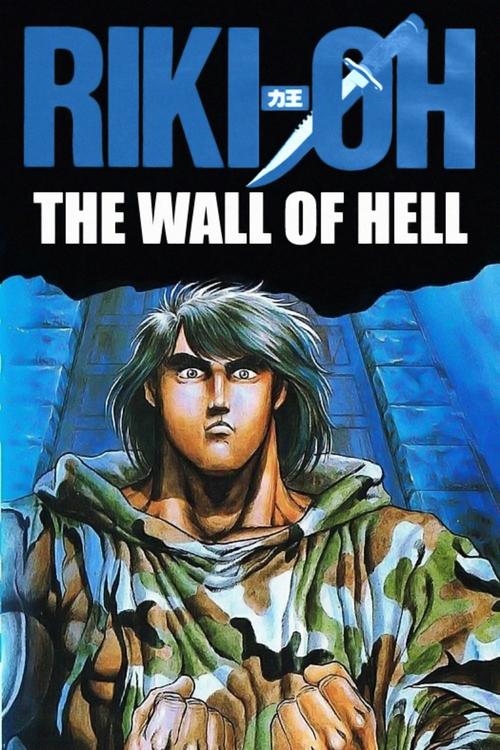
Riki-Oh: The Wall of Hell is a study in contrasts. While it relies heavily on traditional masculine archetypes and a homogeneous cast, it also offers a sophisticated critique of institutional corruption and totalitarianism. The film prioritizes ideological rebellion over inclusive character demographics, presenting a visceral, anti-authoritarian narrative.
Category Breakdown
There are no LGBTQ+ characters or non-cisgender identities in the film. The story focuses solely on hyper-masculine power dynamics.
The film centers around a hyper-masculine protagonist and male antagonists. Female characters are limited to minor roles that do not challenge the masculine status quo.
The cast is predominantly Japanese, reflecting the film's Tokyo setting. There are no active efforts to include diverse cultural backgrounds.
The story critiques capitalist-driven totalitarianism and institutional corruption. It uses a collapsing prison system to challenge established power structures.
Physical trauma and bodily mutilation are used for stylized violence. These elements do not explore disability or neurodivergence.
Present on Screen
Limited or Absent
Official Synopsis
In the late 1990s, society is descending into ecological collapse and totalitarianism. Saiga Riki-Oh, a mysterious man with a six-pointed star on his fist, finds himself at the privately-owned Tokyo State Prison. Serving a term of three years due to assault, his first offense, Riki-Oh openly antagonizes The Four Emperors, four powerful prisoners that control the prison and keep the rest of the inmates in line...
1990
1986

1991
1988
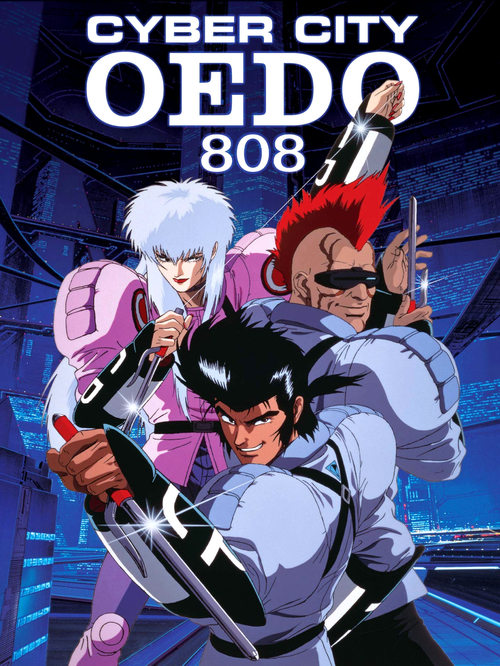
1990
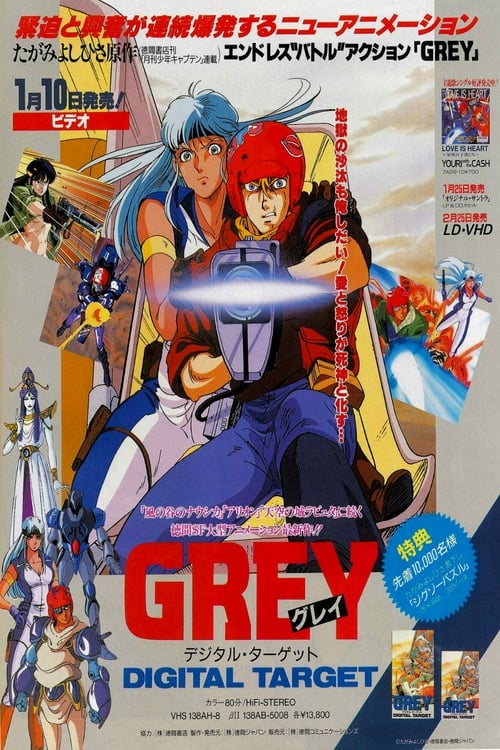
1986
1988
2004
No reviews yet. Be the first to share your thoughts on this movie!
Use the rating form above to leave a star rating and optional review.