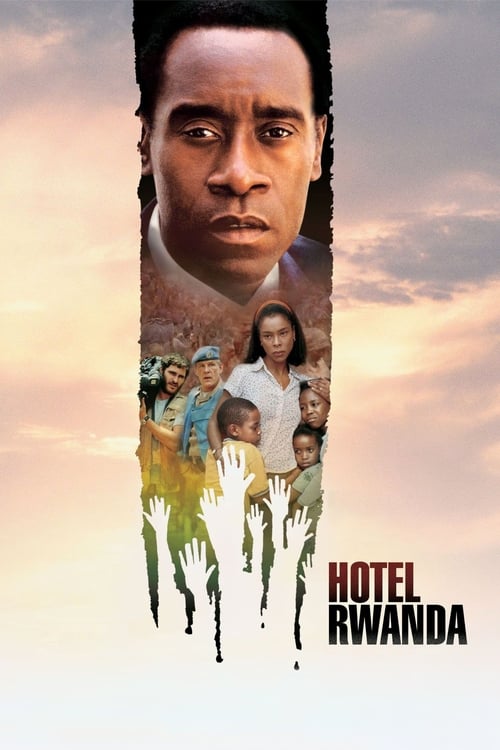
Hotel Rwanda
2004
No user ratings available yet
Representation score: 4.4 out of 10

Representation Score
Good
1993
RDirector
Steven Spielberg
Runtime
195 minutes
Average Rating
No ratings yetNew Showbiz Analysis
The film argues that individual moral courage can mitigate systemic evil, positioning a German industrialist as the hero who saves Jewish lives. It frames the Holocaust as a historical wound requiring remembrance, with the survivors’ final tribute as the last moral word. The narrative emphasizes the power of economic agency in a world of terror, treating wealth as a tool for salvation rather than sin.
Category Breakdown
No LGBTQ+ characters or same-sex romance appear in the narrative. Relationships are strictly heterosexual, focusing on Schindler’s marriages and romantic interests. The film contains no non-binary identities or queer storylines.
Men drive the plot while women serve as domestic anchors or victims. Emilie Schindler is sidelined, and Viktoria Klonowska is a transactional lover. Helen Hirsch functions as a symbol of survival rather than an active agent.
Jewish characters hold narrative depth and moral weight, with Schindler acting as a bridge. Pfefferberg guides the protagonist, and the film centers Polish-Jewish identity against Nazi oppression. The narrative treats Jewish life as the primary moral focus.
Faith and family are honored through Jewish identity and the survivors’ final tribute. The film critiques Nazi evil while affirming the value of life and memory over nationalistic hierarchy. Religious practice remains secondary to ethnic and cultural identity.
No lasting impairment or stigmatized body is treated as a disabled life. The focus is on collective suffering and labor, not individual disability or neurodivergence. Disability is not a narrative focus or character trait.
Present on Screen
Limited or Absent
Official Synopsis
The true story of how businessman Oskar Schindler saved over a thousand Jewish lives from the Nazis while they worked as slaves in his factory during World War II.
2004

1959

1998

2020

2017
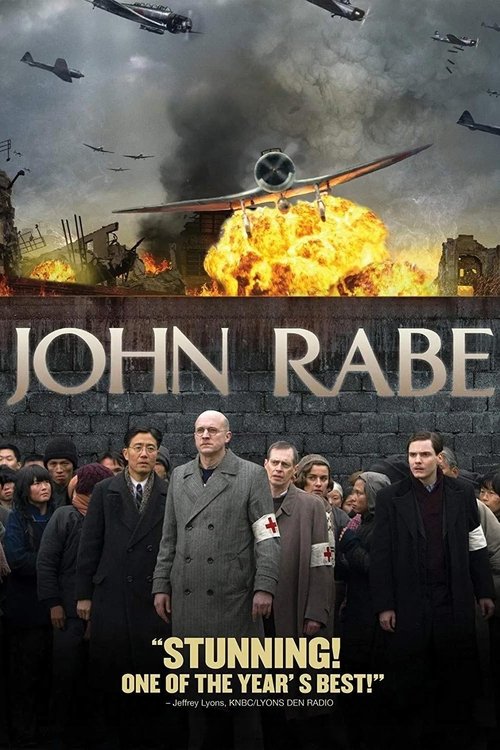
2009

2008
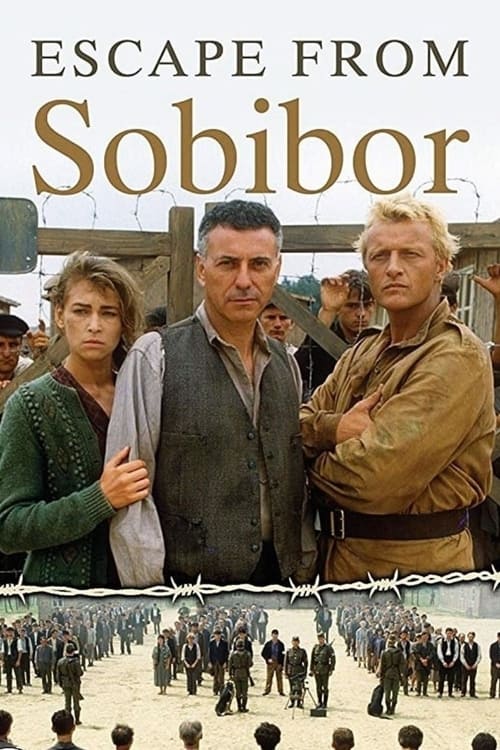
1987
No reviews yet. Be the first to share your thoughts on this movie!
Use the rating form above to leave a star rating and optional review.