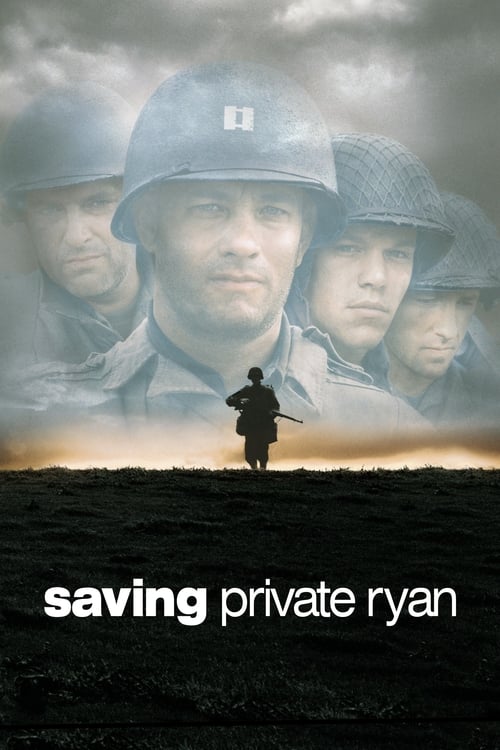
Saving Private Ryan
1998
No user ratings available yet
Representation score: 2.1 out of 10
Representation Score
Limited
1998
RDirector
Terrence Malick
Runtime
171 minutes
Average Rating
No ratings yetNew Showbiz Analysis
Terrence Malick’s war epic functions as a deconstruction of the traditional military narrative. While it lacks demographic breadth, it excels in its philosophical subversion of historical clichés. The film prioritizes individual existential truth over state-sanctioned glory. It uses a postmodern lens to critique systemic violence and the dehumanizing nature of combat. Ultimately, the work trades explicit representation for a deep, critical exploration of the human condition amidst the chaos of war.
Category Breakdown
The film focuses strictly on the masculine experience of combat. There is no depiction of LGBTQ+ identities or non-straight relationships.
The narrative is almost entirely male-centric due to the WWII infantry setting. Women appear only in fragmented memories as symbols of domestic life.
The cast includes characters of color, but the focus remains on white protagonists. It reflects the racial hierarchies and social stratification of the 1940s.
The film disrupts Western triumphalism by framing war as a senseless machine. It prioritizes existential inquiry and moral relativism over patriotic fervor.
Psychological trauma and PTSD are central to the character arcs. However, these are presented as universal human conditions rather than through specific neurodivergent experiences.
Present on Screen
Limited or Absent
Official Synopsis
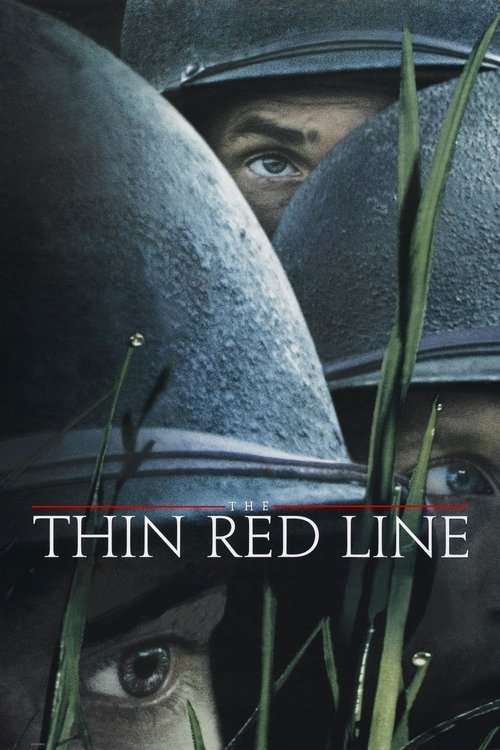
The story of a group of men, an Army Rifle company called C-for-Charlie, who change, suffer, and ultimately make essential discoveries about themselves during the fierce World War II battle of Guadalcanal. It follows their journey, from the surprise of an unopposed landing, through the bloody and exhausting battles that follow, to the ultimate departure of those who survived.
1998
1950
2006
1980

1981
1930

1987

1941
No reviews yet. Be the first to share your thoughts on this movie!
Use the rating form above to leave a star rating and optional review.