Radical Evil
2014
No user ratings available yet
Diversity score: 6.0 out of 10
2007
Director
Harun Farocki
Runtime
40 minutes
Average Rating
No ratings yetSynopsis
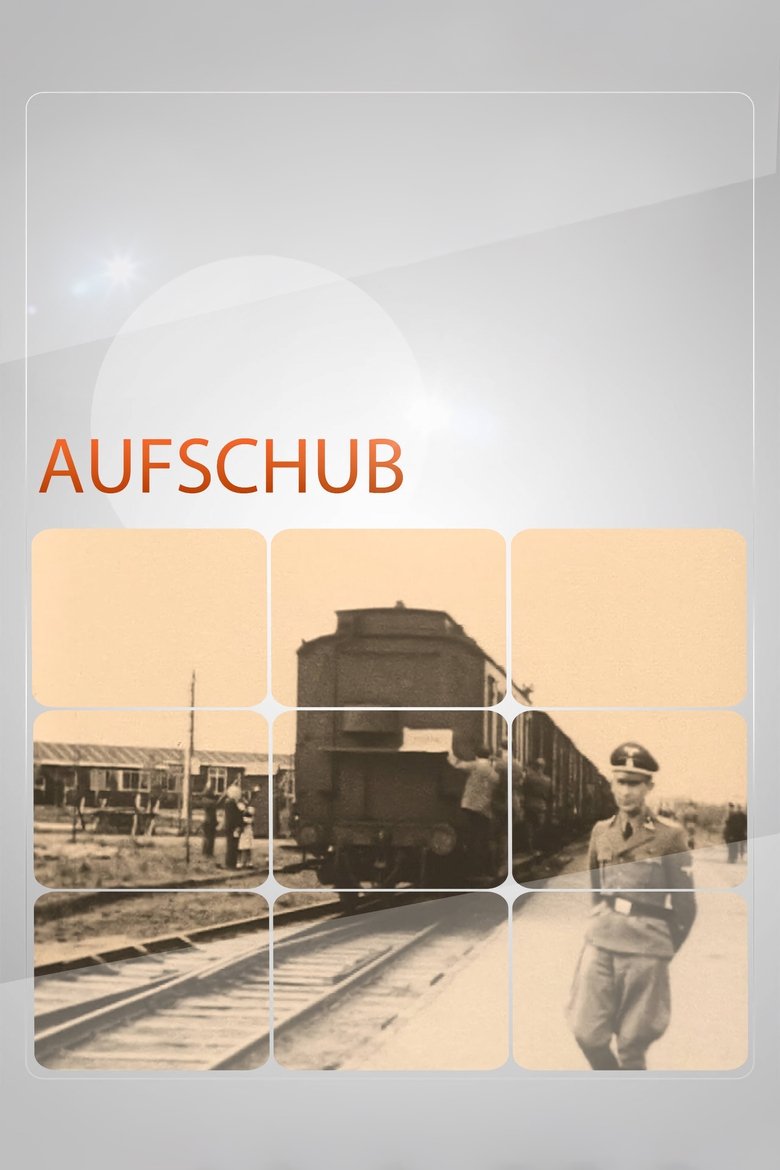
Respite consists of silent black-and-white film shot at Westerbork, a Dutch refugee camp established in 1939 for Jews fleeing Germany. In 1942, after the occupation of Holland, its function was reversed by the Nazis and it became a 'transit camp.' In 1944, the camp commander commissioned a film, shot by a photographer, Rudolph Breslauer. “By exhuming the scattered fragments and traces of the phantom film (intertitle cards, ideas for the scenario, graphic elements), Harun Farocki inscribes the Dutch footage within the genre of the corporate film.
Overall Score
Fair
Category Breakdown
LGBTQ+ Representation
The film functions as a formalist investigation of archival fragments. It contains no LGBTQ+ characters or narratives within the recovered footage or the analytical framework.
Gender Representation
Individual gender identities are largely subsumed by the camp's administrative functions. The emphasis on logistical and corporate footage tends to flatten gender dynamics in favor of institutional analysis.
Racial & Ethnic Diversity
The systematic targeting of Jewish populations serves as the central axis of the work. Farocki highlights the erasure of victims to critique racialized state violence and ethnic cleansing.
Religious & Cultural Diversity
The work provides a sophisticated critique of how Western administrative and technological systems were weaponized. It deconstructs how organized bureaucracy can facilitate systemic oppression and state-sponsored crime.
Disability Representation
There are no specific portrayals of disability. The film focuses on systemic and historical mechanics rather than individual lived experiences of physical or neurodivergent disability.
Strengths
Areas for Improvement
AI Analysis
Respite is an intellectually rigorous essayistic documentary that uses archival fragments to critique the machinery of the Holocaust. It excels at exposing the intersection of media production and state-sponsored violence, specifically regarding racialized oppression. However, the film's clinical, systemic approach results in a lack of specific representation for individual identities. While it provides a profound critique of institutional power, it does not engage with LGBTQ+, gendered, or disability-specific narratives. The low overall score is a mathematical consequence of this narrow, formalist focus. The film prioritizes the deconstruction of bureaucratic systems over demographic inclusion or individual character studies.
2014
2018
2007
2018
1939
2010
2003
2018
2003
2014
2025

2013
No reviews yet. Be the first to share your thoughts on this movie!
Use the rating form above to leave a star rating and optional review.