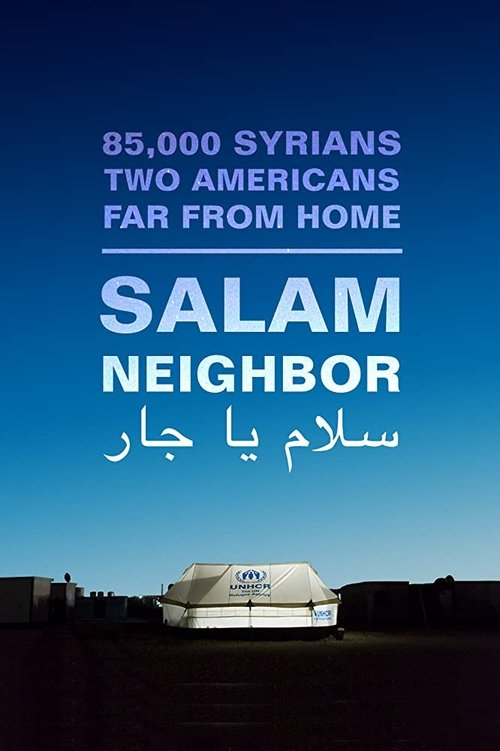
Salam Neighbor
2015
No user ratings available yet
Representation score: 4.8 out of 10
Representation Score
Limited
2015
GDirector
Chris Cotter
Runtime
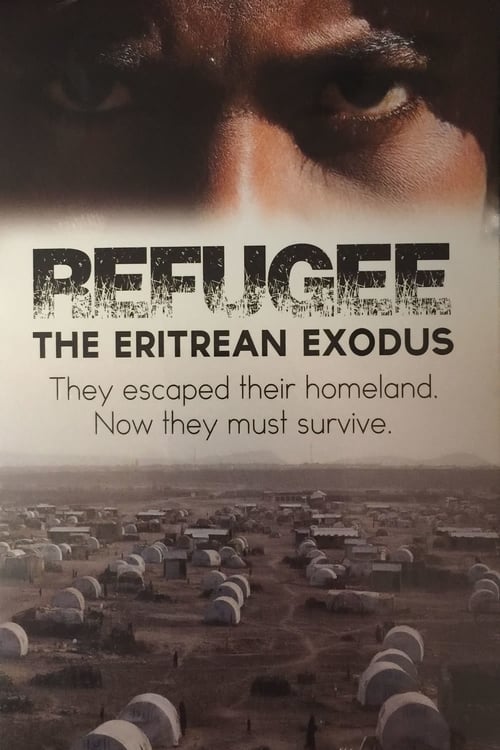
64 minutes
Average Rating
No ratings yetNew Showbiz Analysis
The documentary succeeds by shifting the cinematic lens toward the systemic realities of the Global South. By centering Eritrean refugees as primary storytellers, the film provides significant depth to racial and ethnic representation, moving away from Western-centric perspectives. However, the film's scope is narrow regarding specific identity politics. It lacks representation for LGBTQ+ individuals and does not address disability or neurodivergence as part of the refugee experience. Ultimately, the work functions as a powerful critique of state power and authoritarianism. While it misses certain demographic nuances, its focus on the friction between state authority and individual survival provides a vital humanitarian perspective.
Category Breakdown
The film does not include any visible LGBTQ+ characters or stories. It focuses on the broader geopolitical issues surrounding migration rather than queer experiences.
The documentary maintains a neutral stance on gender. It does not feature specific gender-focused narratives or challenge traditional hierarchies.
The film centers the lived experiences of Eritrean refugees, prioritizing voices from the Global South. This approach challenges Western-centric media by highlighting non-Anglo-Saxon perspectives.
The narrative critiques systemic oppression and state-sponsored torture. It challenges nationalist clichés by focusing on the failures of global systems and the plight of underrepresented populations.
There is no evidence of disability, neurodivergence, or chronic illness being used as central themes or character arcs.
Present on Screen
Limited or Absent
Official Synopsis
Follow Chris Cotter, an American traveler, as he explores a common migration path through Ethiopia and into Israel, tracking the plight of Eritrean refugees. Chris and his crew visit several refugee camps, including the never-before-documented Afar region. The refugees tell stories of oppression, torture, and survival. Searching for solutions, Chris speaks to various NGOs and experts, including Assistant Secretary of State, Anne Richard. The outlook is bleak, but the spirit of the Eritrean refugees is hard to ignore.
2015
2016
2019
2011
2006

2013
2017
2015
No reviews yet. Be the first to share your thoughts on this movie!
Use the rating form above to leave a star rating and optional review.