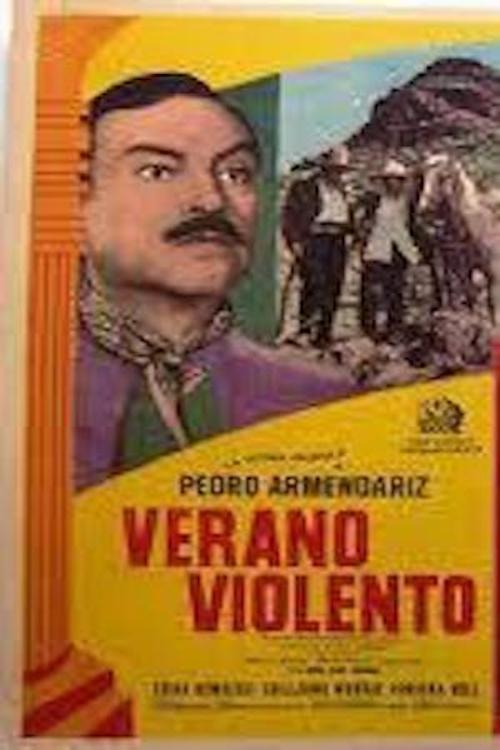
Violent Summer
1960
No user ratings available yet
Representation score: 3.7 out of 10

Representation Score
Fair
1976
Director
Felipe Cazals
Runtime
108 minutes
Average Rating
No ratings yetNew Showbiz Analysis
Las Poquianchis is a gritty, naturalistic critique of systemic failure in rural Mexico. It succeeds by centering underrepresented socioeconomic classes and deconstructing the myth of institutional stability. The film uses social realism to show how corruption enables human trafficking. However, the film lacks representation for LGBTQ+ identities and individuals with disabilities. The focus remains narrow, centered on the specific mechanics of sexual exploitation and class-based survivalism. Ultimately, the film's strength lies in its refusal to sanitize historical crime. It provides a platform for the experiences of the rural working class while challenging conventional depictions of morality and authority.
Category Breakdown
The film lacks LGBTQ+ characters or narratives. It focuses exclusively on the predatory sexual exploitation of women within a traditional social framework.
The three central sisters exercise a dark, predatory role that challenges traditional gender hierarchies. They disrupt clichés of female passivity by taking active control over their actions.
The film offers an authentic portrayal of the Mexican peasantry and rural working class. Characters are grounded in their specific socioeconomic and ethnic realities through social realism.
The narrative provides a profound critique of state institutions and local government. It portrays authority figures as complicit actors in a cycle of violence and corruption.
There is no discernible representation of physical or neurodivergent disabilities within the film's narrative.
Present on Screen
Limited or Absent
Official Synopsis
Three sisters run brothels protected by the authorities, abuse and prostitute young women under the false pretense of employing them as servants.
1960

2014
1982

1986
1961

2023
2002
1991
No reviews yet. Be the first to share your thoughts on this movie!
Use the rating form above to leave a star rating and optional review.