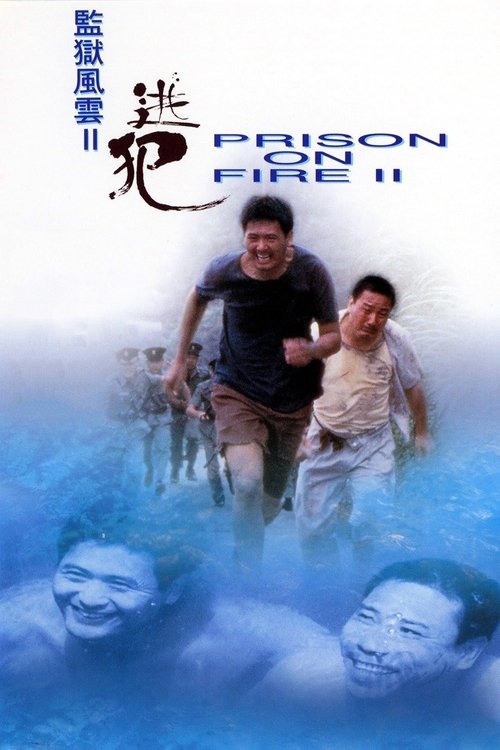
Prison on Fire II
1991
No user ratings available yet
Diversity score: 5.4 out of 10
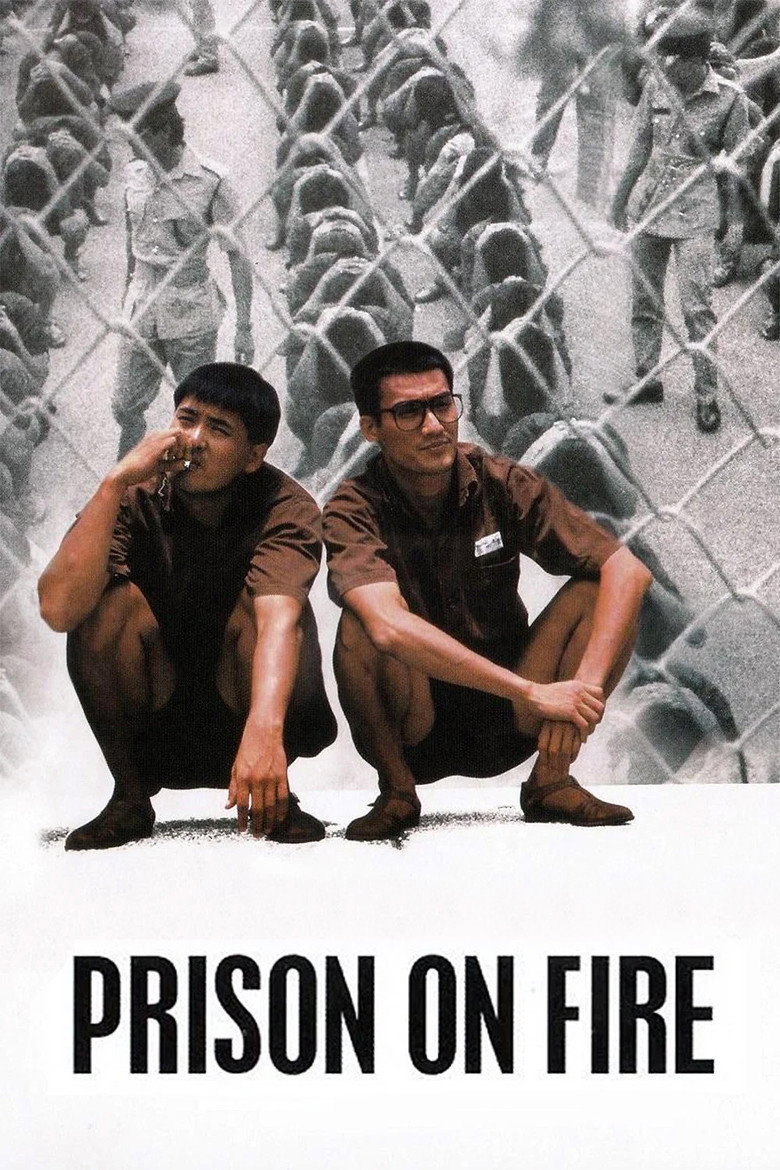
1987
RDirector
Ringo Lam Ling-Tung
Runtime
101 minutes
Average Rating
No ratings yetSynopsis
A veteran inmate takes a newcomer under his wing as the pair confront both other violent inmates and the prison's corrupt wardens.
Overall Score
Fair
Category Breakdown
LGBTQ+ Representation
The film operates within a strictly traditional masculine framework. There is no discernible presence of LGBTQ+ characters or non-cisnormative identities.
Gender Representation
The narrative emphasizes traditional masculine archetypes. Female characters are minimal and occupy secondary roles, serving primarily as peripheral elements to the central male conflict.
Racial & Ethnic Diversity
The cast is predominantly Chinese, reflecting the specific cultural context of 1980s Hong Kong. It provides an authentic portrayal of a specific ethnic community and its socioeconomic spectrum.
Religious & Cultural Diversity
The film excels in its critique of established institutions. It deconstructs the concept of the 'just' state by framing wardens and security heads as sources of corruption.
Disability Representation
Physical injury and trauma are used primarily as plot drivers to escalate tension. There is no evidence of neurodivergent representation or characters with disabilities possessing independent agency.
Strengths
Areas for Improvement
AI Analysis
Prison on Fire is a gritty exploration of institutional failure that centers on the marginalized inhabitants of a carceral system. It succeeds by deconstructing traditional power structures and challenging the morality of state-sanctioned authority through its portrayal of systemic corruption. However, the film is heavily limited by its hyper-masculine focus. The lack of LGBTQ+ representation and the minimal, secondary roles assigned to women create a narrow social ecosystem that reinforces traditional gendered power dynamics. While the film offers an authentic cultural portrait of Hong Kong's disenfranchised, it treats physical vulnerability and disability merely as tools for escalating violence rather than as nuanced character traits.
1991

1988

2009
2009

2012
2008
1954

1976
1991

1980
1955
1950
No reviews yet. Be the first to share your thoughts on this movie!
Use the rating form above to leave a star rating and optional review.