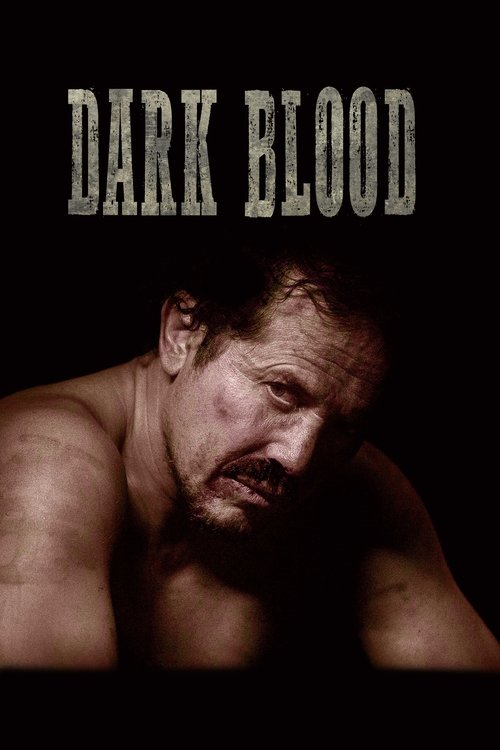
Dark Blood
2021
No user ratings available yet
Representation score: 2.1 out of 10

Representation Score
Fair
1988
Director
John Hillcoat
Runtime
93 minutes
Average Rating
No ratings yetNew Showbiz Analysis
John Hillcoat’s film is a visceral study of systemic decay, focusing on institutional failure. While it lacks representation for LGBTQ+, women, or diverse racial groups, it excels in a deep critique of Western societal structures. The film uses a lens of hyper-masculinity and class-based struggle, replacing traditional morality with a nihilistic necessity for survival. The setting itself becomes a character in the breakdown of social order. Ultimately, the work trades traditional diversity metrics for a strong, anti-establishment cultural critique. It succeeds in showing how oppressive systems fail those trapped within them.
Category Breakdown
The film emphasizes hyper-masculine dynamics within a high-security environment. There is no visible presence of LGBTQ+ identities or narratives.
The story focuses heavily on male characters, highlighting physical dominance and aggression. Few female characters are present, limiting gender-based narrative complexity.
The cast is primarily white and uniform, reflecting the localized realism of the time. It highlights class-based struggles rather than racial diversity.
The film critiques Western institutional stability, portraying state structures as predatory and decaying. It embraces a worldview of moral relativism.
Characters face psychological and physical challenges from extreme environments. These are shown as symptoms of systemic brutality rather than as explorations of disability.
Present on Screen
Limited or Absent
Official Synopsis
The inmates and guards of a modern, clean and efficient maximum security wing are slowly and increasingly brutalized until they erupt in violence.
2021

1980
1954
1987

2001

1979
2009
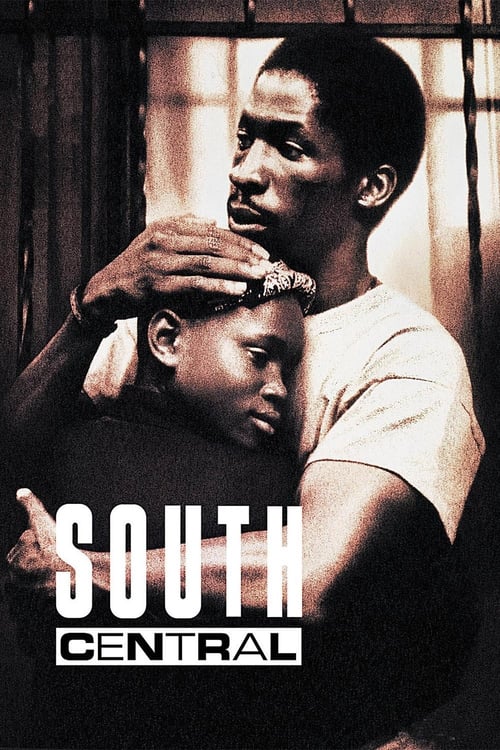
1992
No reviews yet. Be the first to share your thoughts on this movie!
Use the rating form above to leave a star rating and optional review.