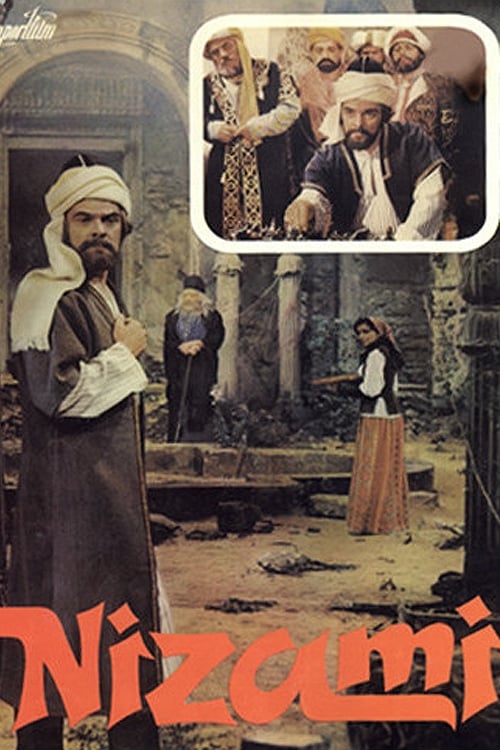
Nizami
1982
No user ratings available yet
Representation score: 5.0 out of 10
Representation Score
Fair
1984
Director
Ali Hatami
Runtime
122 minutes
Average Rating
No ratings yetNew Showbiz Analysis
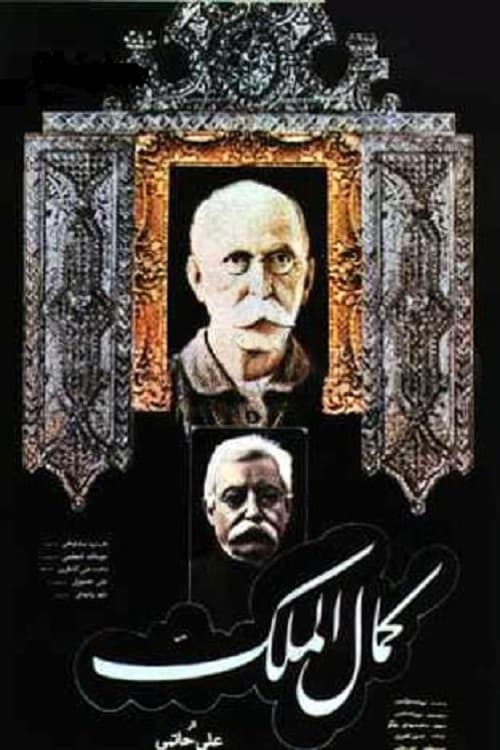
Kamalolmolk preserves a specific cultural epoch, prioritizing historical realism over modern progressive themes. It excels in ethnic specificity, avoiding Western-centric whitewashing. However, its adherence to traditional hierarchies limits its multi-layered depth. The narrative emphasizes aesthetic perfection and historical texture, but lacks representation for LGBTQ+ identities, disability, or diverse gender roles.
Category Breakdown
The film focuses on 19th-century social norms and classical relationships, with no depiction of non-straight or non-cisgender identities or same-sex intimacy.
Men play key roles as the artist and monarchs, while women are primarily seen through their relationships to the male gaze and have limited roles outside of this context.
The film offers high ethnic specificity by featuring a non-Anglo-Saxon cast and showcasing authentic Persian architecture, clothing, and social customs.
The narrative is grounded in Qajar-era religious and monarchical traditions, operating within established social hierarchies and classical Persian values without critiquing Western institutions.
The film does not significantly address neurodivergence or physical disabilities. Its focus on aesthetic perfection leaves little room for disability to influence the narrative.
Present on Screen
Limited or Absent
Official Synopsis
The movie chronicles the life of the famous painter Kamololmolk, and his relationship with various kings.
1982
1969
1974
1954
2014
1994
2010
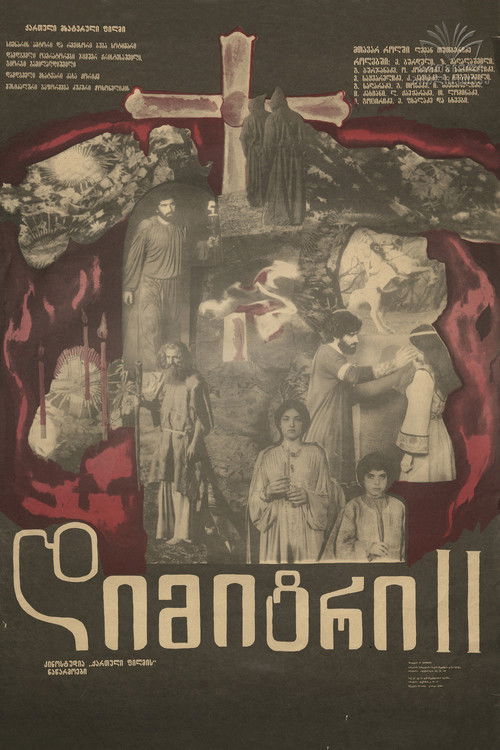
1982
No reviews yet. Be the first to share your thoughts on this movie!
Use the rating form above to leave a star rating and optional review.