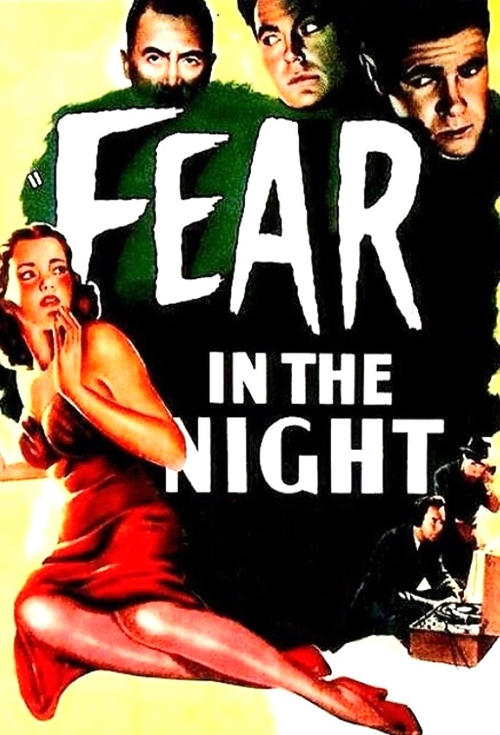
Fear in the Night
1947
No user ratings available yet
Representation score: 1.7 out of 10
Representation Score
Minimal
1956
NRDirector
Maxwell Shane
Runtime
89 minutes
Average Rating
No ratings yetNew Showbiz Analysis
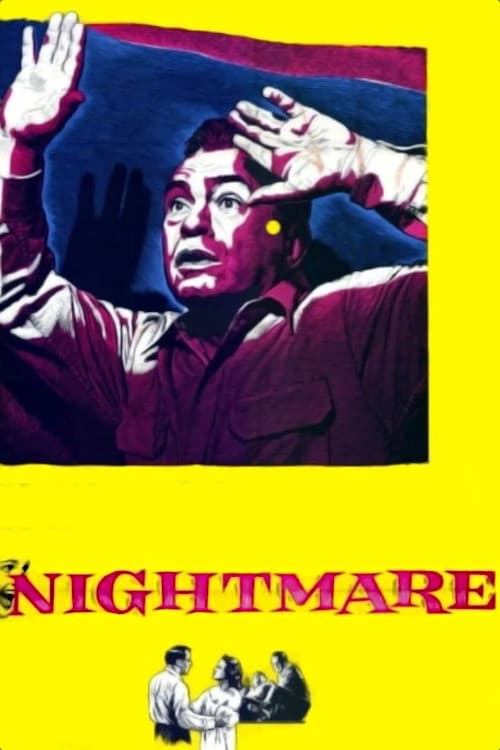
Nightmare is a genre-driven psychological thriller that centers on the protagonist's descent into madness. The film adheres closely to the conventions of 1950s cinema, focusing primarily on the internal struggles of a single male character. Due to its narrow focus on a male-centric perspective, the film fails to explore diverse identities or address broader social issues. Instead, it serves as a personal character study within the context of mid-century American crime dramas. Overall, the work reflects the demographic homogeneity typical of its time, without challenging the traditional social hierarchies of the era.
Category Breakdown
The film focuses on heterosexual relationships and does not include any non-cisgender identities or same-sex intimacy among the characters.
The narrative emphasizes the internal struggles of male characters, while female characters are either excluded or have minimal roles in the main storyline.
The cast is primarily composed of white actors, reflecting the production standards of the 1950s. The film lacks diverse ethnic representation, focusing on white, Anglo-Saxon characters.
The film explores moral ambiguity through its depiction of criminality but does not provide any explicit critique of Western institutions or organized religion.
Psychological instability is used as a suspense device rather than a detailed portrayal of mental health issues. The film does not feature any characters with disabilities who play significant roles.
Present on Screen
Limited or Absent
Official Synopsis
Clarinetist Stan has a nightmare about killing a man in a mirrored room. But when he wakes up and finds blood marks on himself and a key from the dream, he suspects that it may have truly happened.
1947
1960
2001
1933
1936
1953
1952
1940
No reviews yet. Be the first to share your thoughts on this movie!
Use the rating form above to leave a star rating and optional review.