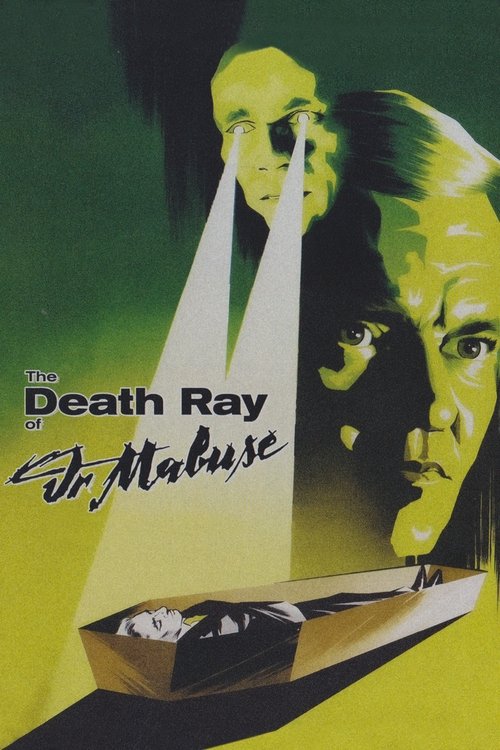
The Death Ray of Dr. Mabuse
1964
No user ratings available yet
Representation score: 2.3 out of 10

Representation Score
Limited
1963
Director
Paul May
Runtime
87 minutes
Average Rating
No ratings yetNew Showbiz Analysis
This 1963 crime thriller follows the standard genre conventions of its time. It prioritizes suspense and the established Dr. Mabuse mythos over any intentional social critique. The film adheres to traditional cinematic paradigms, focusing on the struggle between law and crime. Consequently, it lacks the depth needed to disrupt established social, gender, or racial hierarchies. Representation remains largely homogeneous and conventional, reflecting the period's focus on psychological tension.
Category Breakdown
The film does not include visible non-straight identities or queer themes. It follows the social norms of the 1960s without questioning the assumption that everyone is straight.
The story centers around male authority figures and male antagonists. Female characters play traditional supporting roles and have little control over their own stories.
The cast is predominantly European, showing little diversity or multicultural dynamics.
The story focuses on maintaining social order against criminal chaos. It follows conventional Western storytelling without challenging Western institutions.
The plot uses a possessed professor as a suspense device. This does not explore neurodivergence or the experiences of those with disabilities.
Present on Screen
Limited or Absent
Official Synopsis
The spirit of the evil Dr. Mabuse takes over the body of a famous professor. The professor/Dr. Mabuse then begins a new crime wave that terrorizes the city.
1964
1933
1961
1960
1962
1939
1964
1962
No reviews yet. Be the first to share your thoughts on this movie!
Use the rating form above to leave a star rating and optional review.