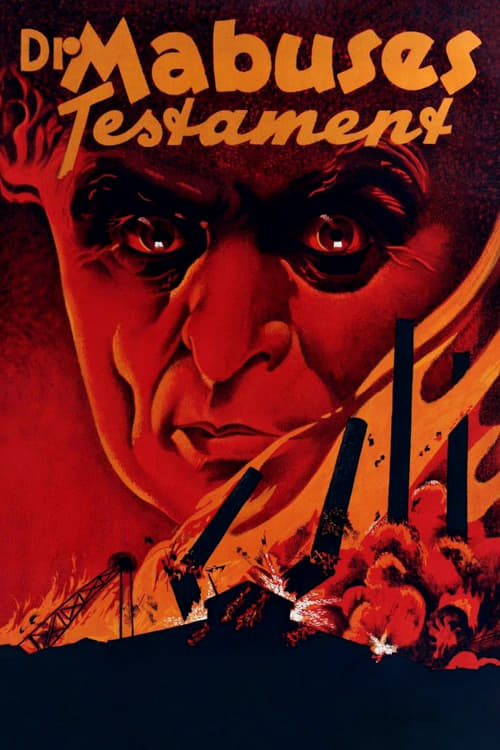
The Testament of Dr. Mabuse
1933
No user ratings available yet
Representation score: 2.2 out of 10
Representation Score
Limited
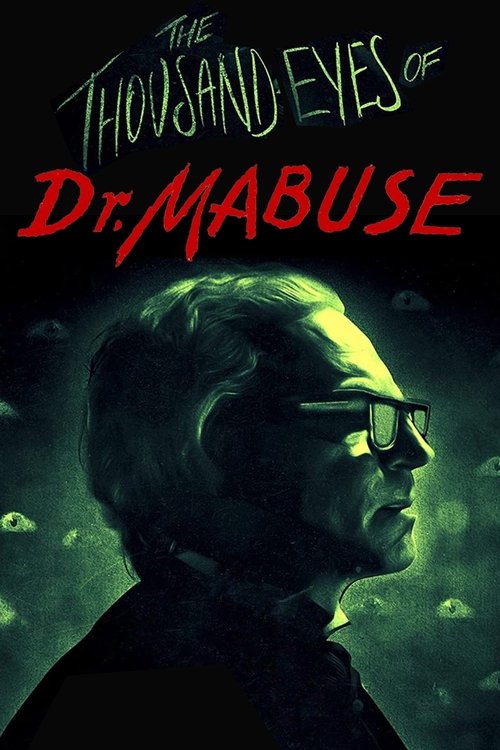
1960
Director
Fritz Lang
Runtime
99 minutes
Average Rating
No ratings yetNew Showbiz Analysis
Fritz Lang’s thriller is a forward-looking examination of surveillance and the manipulation of reality through media. It excels in exploring the psychological mechanisms of power and the dehumanizing impact of mass media. However, the film reflects the identity norms of its era. It focuses on systemic control and technological themes, prioritizing a traditional, homogeneous social structure over diverse representation. While it provides deep insights into the 'gaze,' it lacks progressive demographic diversity.
Category Breakdown
The film follows a traditional detective storyline and does not include any non-binary gender identities or same-sex relationships, sticking closely to the social norms of 1960s West Germany.
Male characters like Inspector Lohmann and Dr. Mabuse drive the plot, while women play supporting roles that do not challenge the established male leadership and intellectual dominance.
The cast is mainly composed of white Europeans, reflecting the demographics of the time. Characters of color are not featured prominently and do not have significant roles.
The film examines how mass media and surveillance technology can dehumanize society. It looks at the psychological breakdown of individuals in a rapidly changing technological environment.
The film uses the clairvoyant character's visions as a plot device but does not provide a nuanced look at neurodivergence. It does not offer a deeper exploration of disability and social power dynamics.
Present on Screen
Limited or Absent
Official Synopsis
A reporter is murdered while driving to his job. The Police are contacted by a clairvoyant who saw the death in a vision, but some dark force is preventing him from seeing the man behind the crime...
1933
1922

1963
1948
1956
1953
1949
1940
No reviews yet. Be the first to share your thoughts on this movie!
Use the rating form above to leave a star rating and optional review.