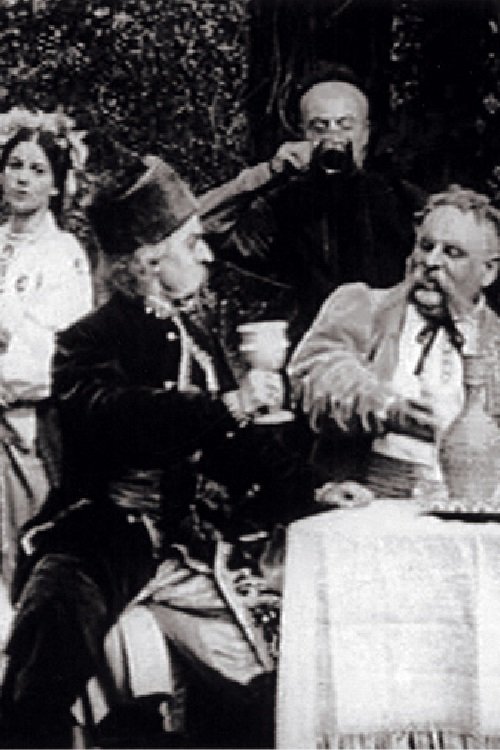
Mazepa
1909
No user ratings available yet
Representation score: 2.8 out of 10

Representation Score
Fair
1990
Director
Borys Savchenko
Runtime
80 minutes
Average Rating
No ratings yetNew Showbiz Analysis
Melancholic Waltz is a character-driven study that prioritizes gendered ability to act. By adapting Olha Kobylianska’s work, the film explores the friction between individual intellectualism and the oppressive expectations of early 20th-century society. The film excels at disrupting traditional gender hierarchies, placing female protagonists at the center of the struggle for artistic fulfillment. This provides a nuanced look at how systemic constraints impact personal identity. However, the film lacks overt visibility regarding LGBTQ+ identities or multi-ethnic representation. The scope remains largely focused on the specific regional and class-based tensions of its historical period.
Category Breakdown
The film does not explicitly depict non-straight relationships or same-sex intimacy. However, the focus on women pursuing art over domesticity suggests a subtle critique of traditional gender roles.
The narrative centers on three women navigating the struggle against bourgeois manners. This focus on intellectualism and artistic devotion positions female characters as active drivers rather than passive social actors.
The historical setting likely reflects the ethnic homogeneity of the early 20th century. While multi-ethnic intersections are not explicitly highlighted, the narrative uses class struggle to explore systemic barriers.
The film critiques traditional bourgeois institutions and restrictive societal norms. It frames these established class-based hierarchies as obstacles to the characters' personal and artistic evolution.
There is no mention of characters navigating physical or neurodivergent disabilities within the narrative.
Present on Screen
Limited or Absent
Official Synopsis
It is a screen adaption of the cognominal short story of Olha Kobylianska in which the struggle of the educated women with the bourgeois manners is described. Three girls from one family are very interested in the art and are going to devote a lifetime to it. But it is the beginning of the 20th century with all peculiar to that time disadvantages, and the way to the success is bestrewed with the difficulties.
1909
2018
2000
1980
2017
2017

2024
1952
No reviews yet. Be the first to share your thoughts on this movie!
Use the rating form above to leave a star rating and optional review.