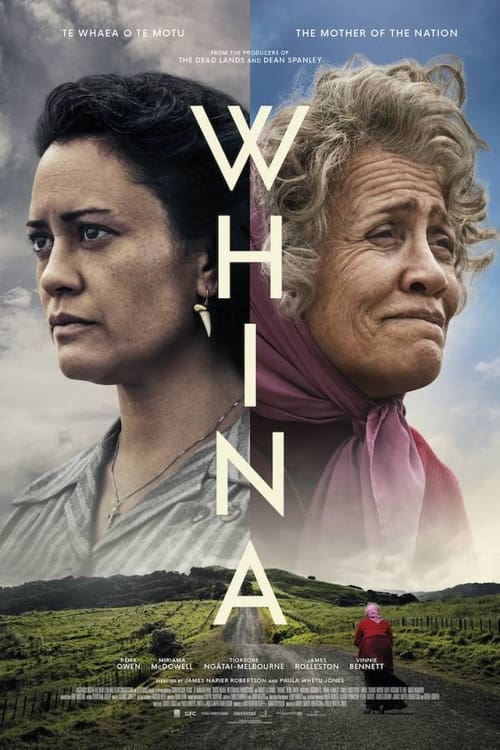
Whina
2022
No user ratings available yet
Representation score: 6.9 out of 10

Representation Score
Fair
2017
TV-GDirector
Hanung Bramantyo
Runtime
118 minutes
Average Rating
No ratings yetNew Showbiz Analysis
Kartini: Princess of Java is a sophisticated historical drama centered on the empowerment of a underrepresented individual. It effectively challenges colonial-era clichés by examining the interplay between indigenous patriarchal structures and colonial dominance. The film excels in its depiction of female intellect and the struggle for educational freedom. By portraying the protagonist's defiance as a reclaiming of dignity, it offers a progressive view of historical social hierarchies. Despite the lack of LGBTQ+ or disability representation, the film provides rich, nuanced explorations of Javanese identity and the systemic constraints of the early 1900s.
Category Breakdown
The film does not include any explicit LGBTQ+ characters or narratives. It focuses on gender-related struggles for independence within the existing social structure.
Kartini is shown as a strong intellectual figure rather than a passive participant. The film highlights the restrictive nature of seclusion practices and challenges traditional domestic roles.
The story delves into the intricate relationship between Javanese nobility and Dutch colonial authorities. It avoids simplistic portrayals by presenting a multifaceted, negotiated indigenous identity.
The film uses a post-colonial perspective to critique both colonial systems and strict traditionalism. It portrays the quest for knowledge as a vital part of cultural development.
There are no significant depictions of visible or invisible disabilities that influence the plot or character development.
Present on Screen
Limited or Absent
Official Synopsis
A woman of nobility battles patriarchal norms in order to improve educational access for women in early 1900s Indonesian society.
2022

2010

2019

2018

2013

2015

2021

2018
No reviews yet. Be the first to share your thoughts on this movie!
Use the rating form above to leave a star rating and optional review.