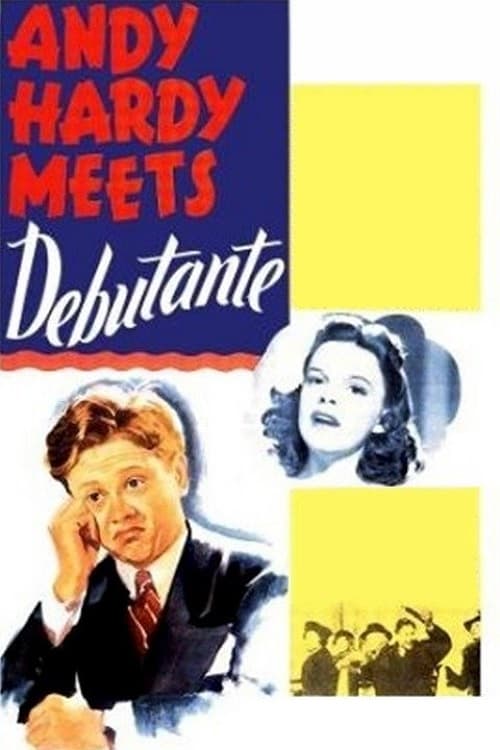
Andy Hardy Meets Debutante
1940
No user ratings available yet
Representation score: 0.4 out of 10
Representation Score
Minimal
1942
NRDirector
George B. Seitz
Runtime
92 minutes
Average Rating
No ratings yetNew Showbiz Analysis
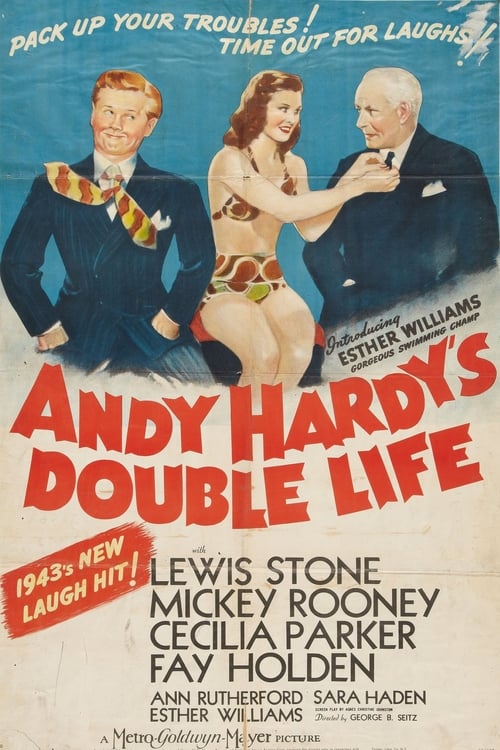
Andy Hardy's Double Life is a product of its time, emphasizing the preservation of traditional social and familial norms. The narrative structure affirms existing hierarchies rather than challenging them through progressive means. The film offers a singular, Anglo-centric view of American life, centered on a culturally uniform social circle. This homogeneity is reflected in the lack of representation for LGBTQ+ identities and various disabilities. Overall, the film reinforces the stability of the male-led household and the importance of judicial authority, reflecting the social values of the early 1940s.
Category Breakdown
The film does not include any LGBTQ+ characters or explore non-straight identities. Romantic storylines focus solely on traditional teenage relationships.
The story centers around a patriarchal structure, with Judge Hardy serving as the main moral authority. Female characters play key roles in personal conflicts but remain confined to the domestic sphere typical of the time.
The film portrays a predominantly white, middle-class American setting. There is a noticeable lack of racial or ethnic diversity among the characters and settings.
The story upholds traditional Western values and emphasizes the sanctity of the nuclear family. It celebrates the stability of the social and legal order.
The film does not depict any prominent physical, sensory, or neurodivergent disabilities. The main characters and plotlines do not address disability issues.
Present on Screen
Limited or Absent
Official Synopsis
Andy is about to head off to college but he's got a few things to take care of before leaving. For starters, he must try and sell his junk car for $20 to pay for a bill and he must convince his father not to go with him to college. Worst of all is that Polly wants to make up but her best friend decides to give Andy a test.
1940
1925
1944
1950
1941

1928

1941
1962
No reviews yet. Be the first to share your thoughts on this movie!
Use the rating form above to leave a star rating and optional review.