Andy Hardy's Dilemma: A Lesson in Mathematics... and Other Things
1940
No user ratings available yet
Representation score: 0.4 out of 10
Representation Score
Minimal
1939
NRDirector
George B. Seitz
Runtime
90 minutes
Average Rating
No ratings yetNew Showbiz Analysis
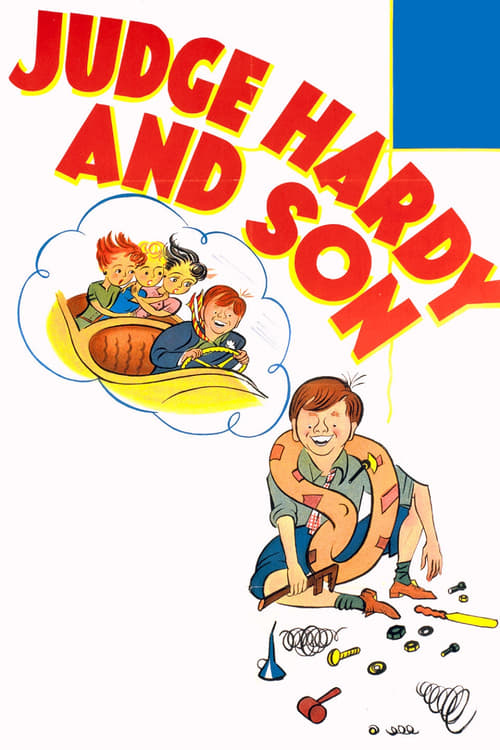
Judge Hardy and Son is a classic example of mid-century cinema that upholds the social norms of its time. The film supports the status quo rather than challenging it. The story is centered on patriarchal leadership and traditional Western institutions. By emphasizing judicial authority and the nuclear family, the film reinforces a single, Western-centric social norm. Overall, the film lacks complexity in representing diverse identities, queer perspectives, and varied racial or physical experiences.
Category Breakdown
The film follows the social norms of the late 1930s and does not include non-straight or non-cisgender identities or same-sex relationships.
The story focuses on patriarchal authority and the growth of the son. Women are shown mainly in domestic or romantic roles, not as leaders of change.
The cast portrays a mostly Anglo-Saxon, middle-class setting. There are no characters of color with significant roles or diverse backgrounds.
The story highlights the stability of the legal system and the importance of the nuclear family. It promotes social harmony and adherence to established laws.
Characters are shown as able-bodied. There is no representation of physical or neurodivergent disabilities.
Present on Screen
Limited or Absent
Official Synopsis
Judge Hardy guides Andy through problems with girls, money and an essay contest.
1940
1940
1942
1937
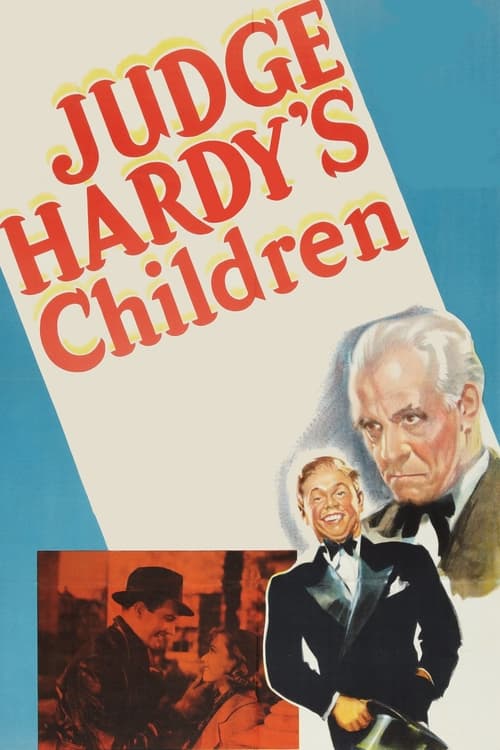
1938
1939

1939
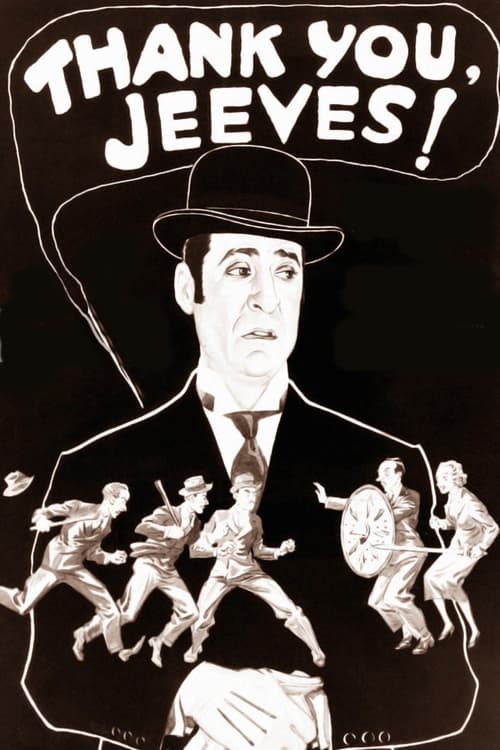
1936
No reviews yet. Be the first to share your thoughts on this movie!
Use the rating form above to leave a star rating and optional review.