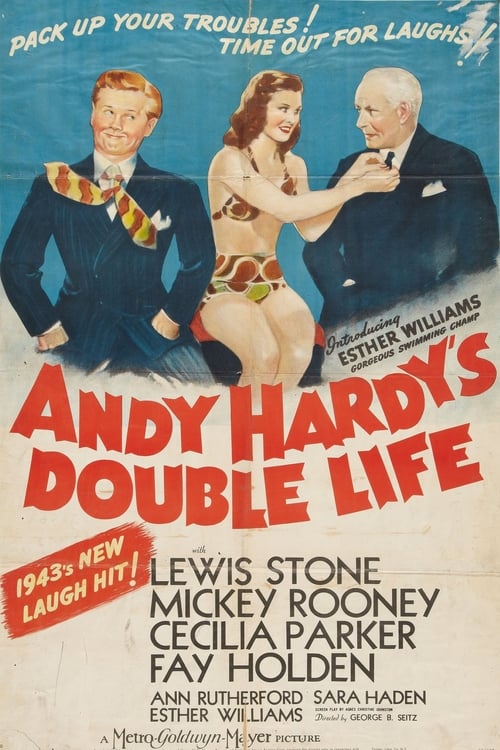
Andy Hardy's Double Life
1942
No user ratings available yet
Representation score: 0.4 out of 10
Representation Score
Minimal
1944
NRDirector
George B. Seitz
Runtime
107 minutes
Average Rating
No ratings yetNew Showbiz Analysis
Andy Hardy's Blonde Trouble is a classic product of the 1940s MGM studio system. Its purpose is to reinforce mid-century American domestic ideals and established social hierarchies rather than challenge them. The film's storyline centers on the stability of the nuclear family and the authority of traditional institutions. This leads to a lack of diverse representation or multi-layered complexity. Overall, the film offers a uniform view of American life, focusing on youthful missteps that are resolved through traditional familial and social mechanisms.
Category Breakdown
The film does not include any visible LGBTQ+ characters or non-straight relationships. All romantic relationships shown are between heterosexual couples, following the era's conventional norms.
The movie emphasizes traditional gender roles, with the male lead taking center stage while female characters mainly serve as romantic interests or plot catalysts within a patriarchal context.
The cast is overwhelmingly white, representing a homogeneous middle-class American demographic. It portrays a singular, Anglo-centric view of life typical of 1940s Hollywood productions.
The film upholds stable, middle-class American values and traditional Western institutions. It emphasizes social stability and the importance of parental figures in maintaining societal order.
No visible or hidden disabilities are shown with significant impact. There are no characters whose identities are defined by physical or neurodivergent conditions.
Present on Screen
Limited or Absent
Official Synopsis
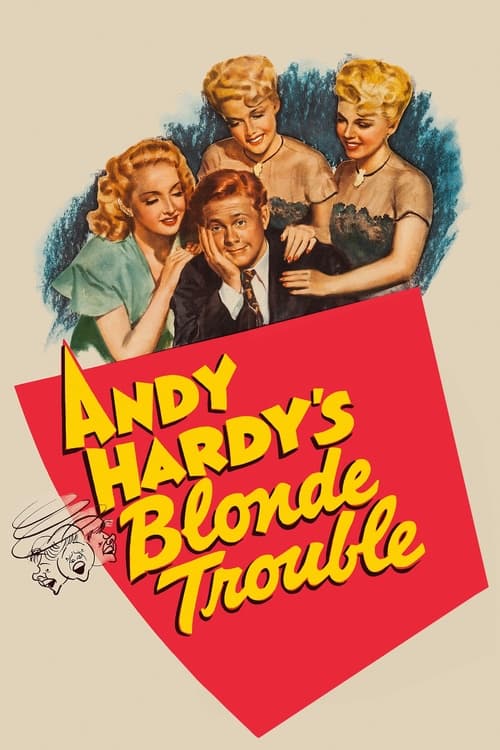
Andy is going to Wainwright College as did his father. He sees a pretty blonde on the train and he is alternately winked at or slapped every time he sees her. Andy is clueless. On the train Andy meets Kay and Dr. Standish who are both headed for Wainwright. Andy likes Kay, but Dr. Standish also seems to take an interest in her. Things are going well at College with Kay, but the blonde is nice one minute and ignores Andy the next. When Andy finds out that the blonde is really identical twins, he tries to help them out with their father but gets caught at their rooming house after midnight.
1942
1925
1940
1947
1941

1928

1941
1932
No reviews yet. Be the first to share your thoughts on this movie!
Use the rating form above to leave a star rating and optional review.